Complete Guide to Pro Esports Teams Across Every Major Game
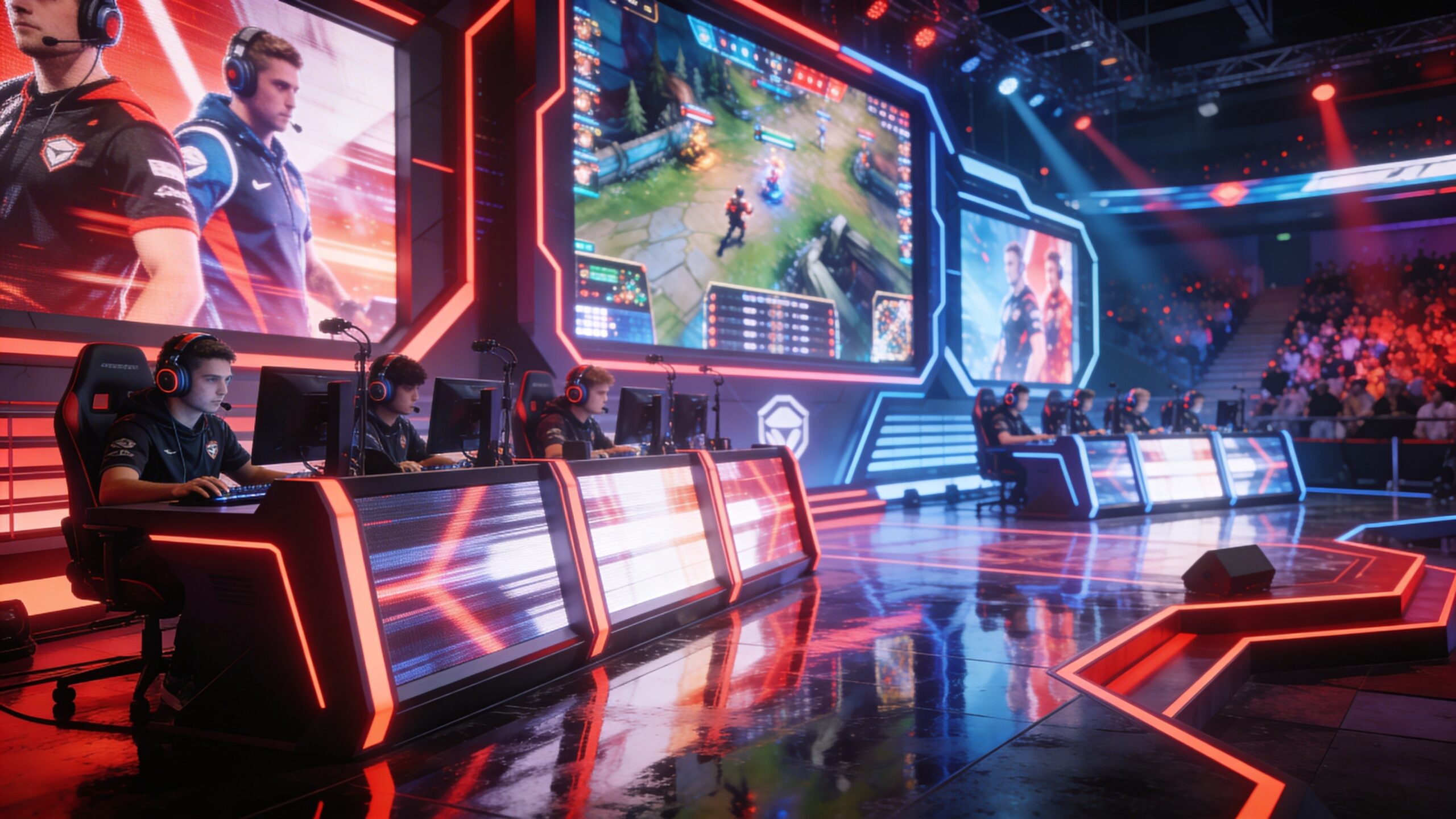
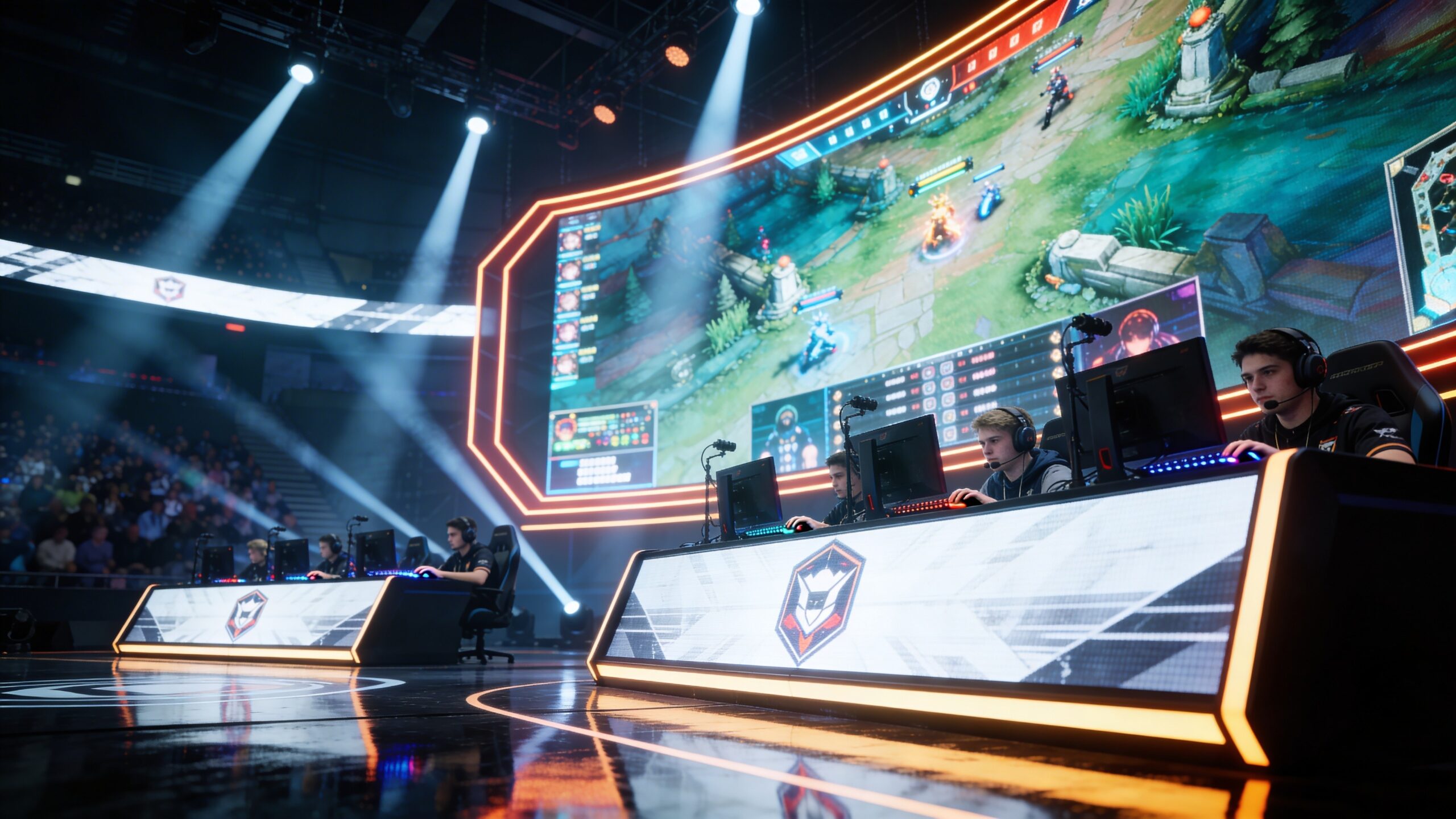
Pro esports teams look different from game to game because each title rewards different roles, schedules, rosters, coaching habits, and competitive formats. A complete guide has to explain the team model before comparing names across esports.
Start with the game, then find the badge
Searching for “the G2 team” or “Team Liquid’s roster” can return several perfectly real answers. An esports organization may employ separate players in League of Legends, Counter-Strike, Valorant, Rocket League, and other games. Those squads share a brand while competing under different rules, schedules, and qualification systems.
A useful team description therefore needs four details: organization, game, competitive region or circuit, and the lineup for the relevant date. “Liquid, Dota 2, this tournament’s registered five” is much clearer than simply “Liquid.” The same habit prevents an old highlight, academy squad, or mobile division from being mistaken for the senior lineup you intended to follow.
This guide maps the major team scenes and the individual competitions where organization badges also appear. Competition names and examples reflect information checked in October 2026; registered players can change within a season. Begin with an official event’s participants or standings, then use the organization’s announcements to understand who is representing that name.
League of Legends: five positions inside a regional season
League teams field top, jungle, mid, bot carry, and support positions. The labels help you read the lineup, but a match is won through their interactions: lane pressure affects jungle movement, objective preparation involves several positions, and champion selection shapes what the team can attempt. A famous mid player is one part of that structure.
Riot’s 2026 top-level league handbook lists LCK, LPL, LEC, LCP, LCS, and CBLOL. These competition labels matter when looking for a team’s regular matches. T1 and Gen.G are familiar LCK names; G2 and Fnatic appear in the LEC scene. Following the regional competition supplies the weekly context behind their appearances at international events.
For a first viewing session, choose one series and watch the draft as well as the opening minutes. Identify how the jungler’s route relates to lanes and how support movement changes the map. Then revisit the roster list to attach names to those actions. This gives you a team to understand, rather than a collection of popular individual rankings.
Counter-Strike and Valorant share five starters, not one circuit
Counter-Strike 2 teams compete across organizer-run events rather than one universal weekly league. NAVI, FaZe, Liquid, and Spirit have substantial recorded Counter-Strike histories. An event’s accepted teams and registered roster are the relevant reference for a particular weekend; a familiar organization does not appear in every tournament automatically.
Valve publishes Regional Standings, which are important to the invitation system. These standings belong to Counter-Strike’s competitive framework, not a multi-game popularity chart. For a specific event, inspect the organizer’s invitation and qualification information instead of assuming that a brand’s historical prestige guarantees a place.
Roles such as caller, AWPer, entry player, and lurker describe responsibilities that can vary between maps and situations. Watch how a first duel is supported, whether a teammate can trade the elimination, and how the team handles its equipment economy. Five strong aimers still need a coherent plan for the space between those duels.
Valorant has its own structure. The VCT’s international leagues are Americas, EMEA, Pacific, and China, with international events forming another part of the season. Riot’s event pages and team listings identify the relevant participants. Those pages are a better starting point than treating Counter-Strike’s invitation system as if it also governed Valorant.
Agent categories and team jobs are different kinds of information. A controller kit supplies certain tools, while calling, entering, or lurking describes what someone does for the lineup. When assessing a roster change, consider both the agents a player can use and the responsibilities the team needs filled. A direct replacement is not established by matching one role label.
Dota 2 teams need an event-specific picture
Dota’s five-player lineups are commonly discussed through positions one to five, broadly connected to farm priority and responsibilities. Carry, mid, offlane, and support descriptions help a new viewer follow the team. They do not mean every match follows an identical resource distribution regardless of heroes or game state.
Liquid, OG, Spirit, and Secret are prominent names in Dota’s recorded tournament history. To follow an upcoming competition, however, read that event’s participant list and qualification route. Historical champions can change players, miss an event, or enter through a different route. A past title establishes history without identifying the present starting five.
During a draft, look for how the heroes can begin fights, protect important damage dealers, and threaten objectives. During play, ask which areas become safe enough to farm after the team moves together. This connects the roster’s individual skill with its collective map decisions, and makes a lineup easier to follow even before you know every player’s career.
Call of Duty, Siege, and Overwatch reward different team habits
The Call of Duty League provides a season schedule and named team entries. Its 2026 schedule includes brands such as Los Angeles Thieves, Miami Heretics, Riyadh Falcons, and Toronto KOI. Names can change between seasons, so an old franchise list may lead you to the wrong contemporary identity.
Competitive Call of Duty usually places four starters on each side. The series format and available modes depend on the title and season rules. A team’s ability to handle respawns, objective rotations, and the slower decisions of an elimination mode can differ. Read the current series rules before interpreting a score as proof that one lineup excels at every mode.
Rainbow Six Siege uses five-player squads, with operator selection, information gathering, destruction, and defensive preparation shaping their plans. Ubisoft’s esports site and the BLAST R6 rules describe its regional and international competitions. Liquid and FaZe have recorded Siege histories, but the registered lineup in a current event is the useful reference for following their matches.
A Siege viewing exercise can focus on one attacker’s approach: which information is collected, what utility clears the route, and who supports the entry. On defence, note how a setup changes the attackers’ available paths. The organization badge tells you whom to support; the preparation and execution explain what its squad is doing.
For Overwatch, look for the Overwatch Champions Series, or OWCS. Blizzard’s 2026 information identifies partner organizations including Liquid, Spacestation, and Dallas Fuel in North America. Archived Overwatch League footage belongs to a different competitive chapter and should not be treated as the current OWCS roster directory.
Overwatch teams also operate under competition-specific game settings. Follow the current tournament rules and the broadcast’s lineup information, then watch how players coordinate engagements and objective pressure. A remembered hero combination from an older season may have little relevance to the present patch or the format used by the event you are watching.
Rocket League: a trio inside an open qualification season
The central RLCS team competition is three versus three. Rocket League’s 2026 season includes regional Opens, Majors, and the World Championship. Its championship participant information names organizations such as Vitality, Karmine Corp, NRG, FURIA, and Falcons across different regions. The sport-like broadcast is approachable, but qualification still needs its own explanation.
Results across a split contribute to the path toward a Major, while season results and the applicable qualification routes determine the Worlds field. The 2026 program also features one-versus-one and two-versus-two competitions. Do not assume that a pair representing an organization in a special event is its standard three-player RLCS lineup.
Follow the player behind the ball carrier for a few possessions. That teammate’s distance and movement reveal whether an attack has support or risks an exposed counterattack. A spectacular aerial finish is easier to understand when you can see how the trio kept pressure without all committing to the same ball.
Battle royale rosters compete against a whole lobby
Apex Legends’ ALGS squads have three players, with regional Pro League competition leading toward international events. EA’s Year 6 information identifies Americas, EMEA, APAC North, and APAC South. An ALGS team page belongs to a specific split and region, so retain those labels when checking a roster.
Battle royale standings combine placement and elimination results under the event’s scoring system. A fight can help one team while leaving it poorly positioned against another squad. To follow a lineup, watch its route, resources, and decisions about engagement, not only the damage or kills displayed on an individual player’s overlay.
PUBG’s primary squad competition typically uses four players. Its 2026 Global Partner Team announcement includes 17 Gaming, Four Angry Men, Gen.G, NAVI, and Twisted Minds, among others. The partner program exists alongside opportunities for teams advancing through regional results; a partner list is not the entire competitive field.
PUBG Mobile is a separate game and scene. Fortnite likewise requires attention to the mode and season: its organized competitions can use different team sizes, and an organization may sign individual competitors who pair with players carrying another badge. Read the event registration rather than assuming that every battle royale uses the same roster rules.
Mobile teams and individually contested games complete the map
Mobile Legends: Bang Bang and Honor of Kings have major professional team ecosystems of their own. Mobile Legends is a five-player MOBA, and names such as Liquid and Fnatic appear in its recorded organization histories through specific regional brands. A phone-based game can have a large competitive scene without sharing League of Legends’ regional leagues.
Regional qualifiers and championship pages are especially useful here because a recognizable parent organization may have a division name identifying the country or partnership. Keep that full label when following results. Also distinguish mobile MOBAs from mobile battle royales: the device category does not tell you the team size, objective, or qualification system.
Street Fighter, Tekken, and Super Smash Bros. commonly feature individual competitors wearing organization badges. Liquid’s recorded history, for example, includes Hungrybox in Smash and players in other individually contested games. In a normal singles bracket, two sponsored players are still separate entrants rather than teammates sharing control of one match.
StarCraft II follows a similar distinction between organization membership and an individual series, although team competitions also exist. Liquid’s history includes Clem in StarCraft. EA Sports FC and racing titles can likewise feature organization-affiliated individual representatives alongside event formats with different team arrangements. The bracket or rulebook tells you what “team” means for that competition.
Build a watchlist that survives roster changes
Choose a game you already enjoy and find its official next event or current season page. Select two or three participating teams, record their registered players, and save the date beside the lineup. This modest watchlist is easier to maintain than a giant roster directory that becomes stale whenever someone transfers.
Keep academy, challenger, women’s, and other separately entered squads clearly identified. They may share a parent brand while competing in different circuits or eligibility categories. When a substitution occurs, note it before comparing a performance with an earlier series. The badge can stay constant while the lineup and responsibilities change.
Distinguish a signed player from someone actually starting the match. An organization announcement can include substitutes, inactive players, or a wider squad, while the event registration identifies the competitors available under its rules. If the broadcast names a stand-in, use that information for the series you are watching instead of forcing the older roster list onto the screen.
A coach and an analyst can be important to preparation without appearing as playable characters or competitors during the game. Different competitions limit when staff can communicate with the lineup, so a coach’s absence from an in-game conversation does not establish a lack of involvement. Follow the event’s format and the team’s stated roles before assigning responsibility for a tactical decision.
Finally, decide whether your interest follows the organization or a particular player. Either is a natural way to enjoy esports. Knowing which one you mean helps when a favourite changes teams, and it makes a multi-game brand easier to follow: each roster gets judged through its own matches, opponents, and competition.