Starting Strong in the World of RPG Builds
Every great RPG adventure begins with a choice. Before the first dungeon, the first boss fight, or the first legendary weapon, players must decide what kind of hero they want to become. For beginners, that choice can feel overwhelming. RPG games are famous for deep skill trees, massive gear systems, class options, stat points, magic schools, weapon types, and playstyles that can branch in dozens of directions. The good news is that the best beginner character builds are not about perfect optimization. They are about creating a hero who feels fun, reliable, forgiving, and powerful enough to carry you through the early game while teaching you how the world works. A beginner-friendly RPG build should do three things well. It should survive mistakes, deal steady damage, and help you learn the game without forcing complicated rotations or risky strategies. Some builds are flashy but fragile. Others are powerful only after dozens of hours. The best beginner builds sit in the sweet spot between strength and simplicity, giving new players a clear path forward without locking them into a boring playstyle.
A: A sword-and-shield warrior or paladin is usually the safest starting choice.
A: Yes, especially when focused on simple damage spells and defensive abilities.
A: Paladin, summoner, and tanky warrior builds are excellent for solo beginners.
A: Defense first, then damage once combat feels comfortable.
A: Not always, but they require more movement and positioning than warrior builds.
A: Start with a few dependable skills instead of spreading points everywhere.
A: Not always. Choose gear that supports your build and improves your core strengths.
A: Many RPGs allow respecs, but it depends on the game.
A: Health, armor, stamina, mana, and reliable damage bonuses are usually safe choices.
A: Easy controls, good survival, steady damage, and room to recover from mistakes.
Why Beginner Builds Matter
Many new players make the same mistake when starting an RPG: they chase the most advanced build before understanding the game’s basics. They see endgame guides focused on critical damage, perfect gear rolls, rare items, or complex skill timing and assume that is the best way to begin. In reality, those builds often depend on equipment or mechanics that beginners do not have yet.
A good beginner build is designed for the journey, not just the destination. It helps players understand combat rhythm, positioning, resource management, enemy weaknesses, equipment upgrades, and skill progression. The right build can make an RPG feel exciting instead of confusing. It gives players room to experiment while still feeling strong enough to survive tough encounters.
Beginner builds also reduce frustration. When your character can take a few hits, heal reliably, and defeat enemies without needing perfect execution, the game becomes more enjoyable. Instead of constantly restarting fights or wondering why your damage feels low, you can focus on exploring, questing, collecting gear, and learning how your chosen class grows.
The Balanced Warrior Build
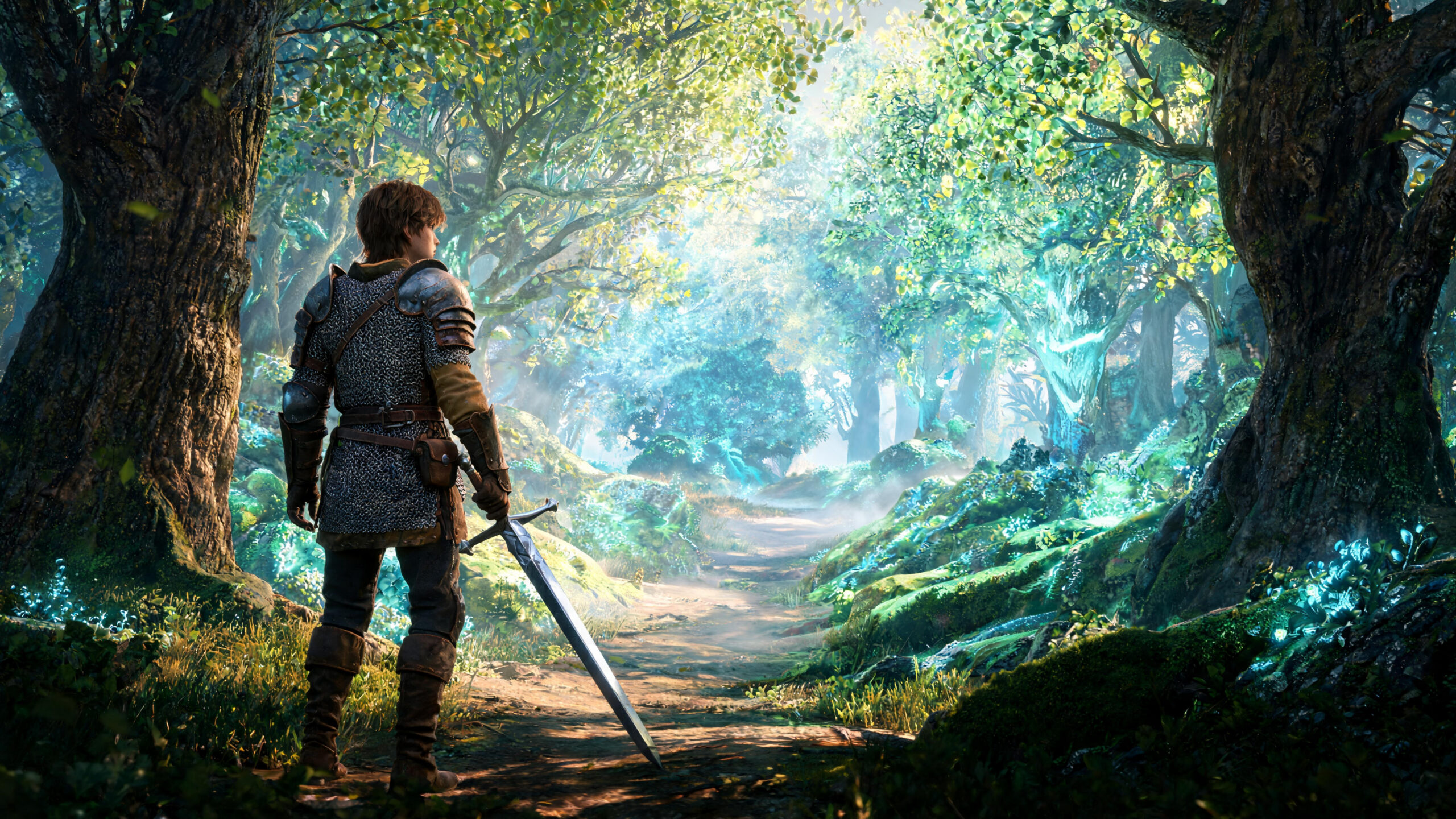
The balanced warrior is one of the best RPG character builds for beginners because it is simple, sturdy, and satisfying. This build usually focuses on one-handed weapons, shields, medium or heavy armor, and steady melee attacks. It does not require perfect aim, complicated spell timing, or delicate positioning. You walk into battle, block incoming damage, strike back, and gradually become stronger. What makes the balanced warrior so beginner-friendly is forgiveness. New players will get hit. They will mistime dodges, misread enemy attacks, and occasionally wander into fights they are not fully prepared for. A warrior build gives them enough armor and health to survive those mistakes. The shield adds another layer of safety, allowing players to block dangerous attacks while learning enemy patterns.
This build also teaches important RPG fundamentals. Players learn how stamina works, how weapon upgrades affect damage, how armor changes survivability, and how positioning matters in melee combat. As the game progresses, the balanced warrior can evolve into a tank, berserker, paladin, or weapon master. It is a flexible foundation that rarely feels wasted.
The Sword-and-Shield Defender
The sword-and-shield defender is ideal for players who want maximum safety while learning the game. Unlike a pure damage warrior, this build emphasizes defense, blocking, health, armor, and controlled combat. It is not always the fastest build, but it is one of the most reliable.
Beginners benefit from this build because it creates a clear rhythm: defend, observe, counterattack. Instead of rushing into every fight, players learn to watch enemy movements and respond at the right moment. This makes the build excellent for understanding boss mechanics and dangerous enemy patterns.
A sword-and-shield defender also works well in party-based RPGs. When playing with companions or online teammates, defensive characters often protect weaker allies and create space for mages, archers, or healers. For solo players, the build remains strong because it can survive long fights and handle surprise attacks better than fragile damage builds.
The Simple Archer Build
The archer build is perfect for beginners who prefer distance, precision, and mobility. Instead of standing directly in front of enemies, archers control fights from range. This gives new players more time to react, reposition, and avoid damage. A beginner archer build should focus on reliable ranged damage rather than complicated trick shots or stealth-only mechanics. Light armor, a strong bow, movement speed, stamina regeneration, and basic critical hit bonuses create a smooth and enjoyable playstyle. The goal is to keep enemies at a distance while steadily wearing them down.
Archers also teach players how terrain affects combat. High ground, narrow pathways, open fields, and cover all become useful tools. A beginner who learns these lessons early will become much better at reading battlefields in every kind of RPG. As the build advances, it can branch into sniper, ranger, hunter, beastmaster, or stealth archer styles.
The Beginner Mage Build
Magic can feel intimidating to new RPG players, but a beginner mage build can be one of the most rewarding choices in the game. The key is to avoid overly complex spell combinations at first. A strong beginner mage should focus on a few dependable spells, easy resource management, and enough defensive tools to survive mistakes.
Fire magic is often a great starting point because it usually offers direct damage and simple area attacks. Frost magic is another excellent option because it slows enemies and gives beginners more breathing room. Lightning magic can be exciting for players who enjoy speed, chain attacks, and burst damage.
The beginner mage teaches valuable lessons about spacing, cooldowns, mana use, and enemy weaknesses. Since mages are often more fragile than warriors, players learn to stay aware of their surroundings. Defensive spells, shields, teleports, or summoned companions can make the build more forgiving while still preserving the thrill of powerful spellcasting.
The Paladin Build for Safety and Power
The paladin is one of the best beginner RPG builds because it combines offense, defense, and healing in one approachable package. A paladin usually wears heavy armor, uses melee weapons, blocks or absorbs damage, and casts healing or holy abilities. This makes the build extremely forgiving for new players. What makes the paladin special is self-sufficiency. Beginners do not have to rely entirely on potions or perfect play because healing abilities provide a safety net. The build can survive longer fights, recover from mistakes, and handle difficult quests without needing constant support.
The paladin also feels heroic. It fits the classic fantasy of a noble warrior standing against darkness with a glowing blade and unbreakable resolve. For players who want a character that feels strong, honorable, and dependable, the paladin is one of the most satisfying beginner choices.
The Rogue Build for Fast Learners
Rogue builds can be slightly more advanced than warriors or paladins, but they are still excellent for beginners who enjoy speed, stealth, and clever combat. A beginner rogue should focus on mobility, quick attacks, basic stealth bonuses, and simple critical hit mechanics.
The rogue teaches players how to avoid unnecessary damage. Instead of absorbing attacks, rogues dodge, flank, sneak, and strike quickly. This can make combat feel exciting and rewarding, especially for players who enjoy a more active style.
However, beginners should avoid building a rogue that is too fragile too early. A good starter rogue needs enough health, evasion, or escape abilities to survive mistakes. Once mastered, the rogue can become an assassin, thief, duelist, poison specialist, or stealth archer hybrid.
The Summoner Build for Easier Solo Play
Summoner builds are fantastic for beginners because they provide built-in support. Instead of fighting alone, the player brings companions, pets, skeletons, spirits, drones, or magical creatures into battle. These summons can distract enemies, deal damage, and protect the player. For solo players, this build is especially useful. Summons reduce pressure by dividing enemy attention. While companions fight, beginners can focus on positioning, healing, casting spells, or learning enemy behavior. This makes difficult encounters feel more manageable.
A beginner summoner should focus on durable companions and simple enhancement skills. The goal is not to control a complicated army right away, but to create a reliable support system. As the player gains experience, the build can evolve into a necromancer, beastmaster, engineer, druid, or spirit caller.
The Two-Handed Warrior Build
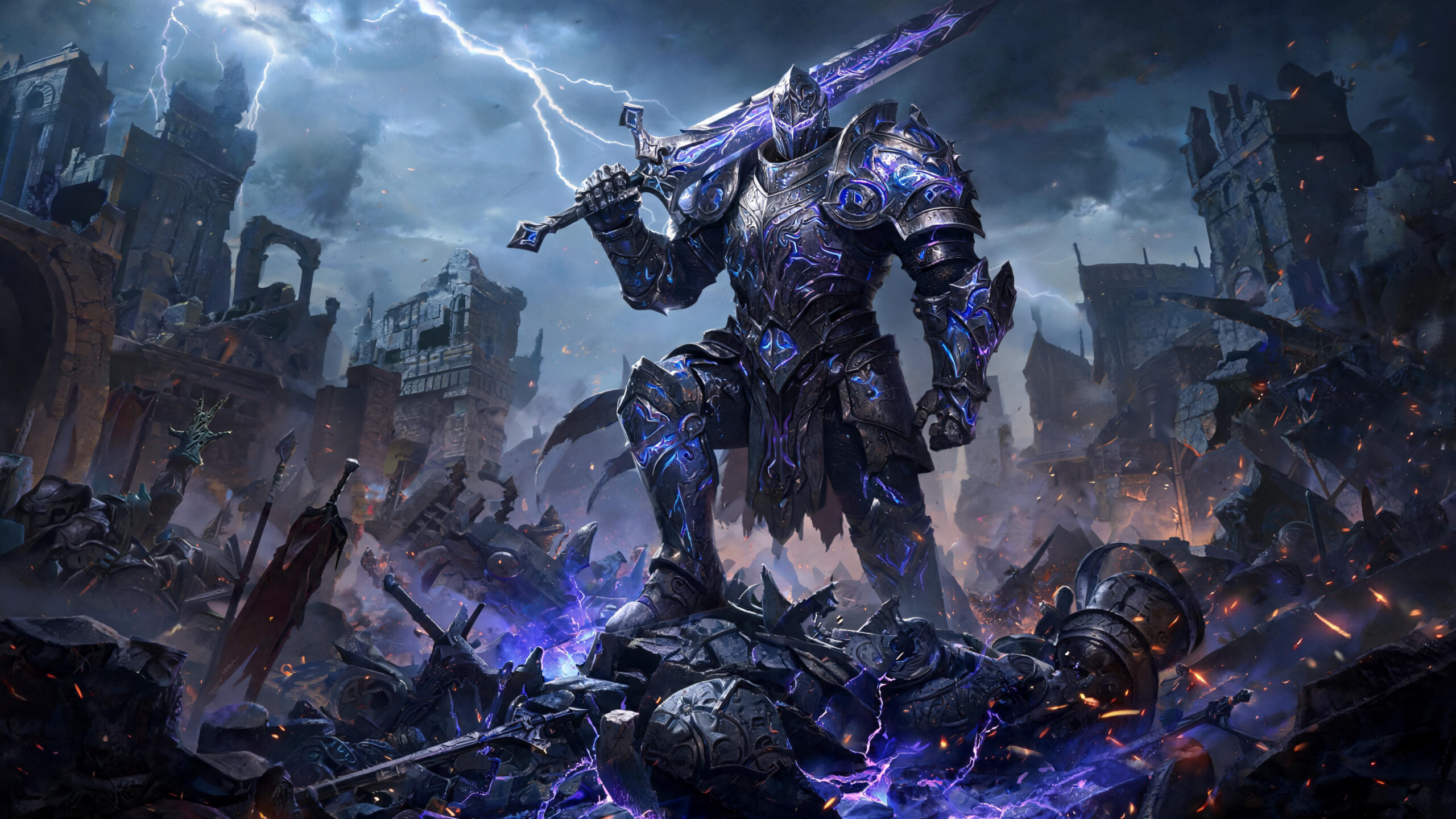
For players who want big hits and dramatic combat, the two-handed warrior is a thrilling beginner option. This build uses large swords, axes, hammers, or heavy weapons to deliver powerful attacks. It is less defensive than a shield build but often defeats enemies faster.
The two-handed warrior is beginner-friendly because its strategy is easy to understand: hit hard, manage stamina, and time attacks carefully. It teaches patience because heavy weapons often swing slower than lighter weapons. Players must learn when to attack and when to back away.
This build feels powerful from the start. Every strike has weight, and every upgrade feels meaningful. With enough health and armor investment, a two-handed warrior can survive well while still delivering impressive damage.
The Healer-Support Build
A pure healer may not be the easiest solo beginner build, but a healer-support hybrid can be excellent for new players in party-based RPGs. This build focuses on keeping allies alive, applying buffs, removing negative effects, and contributing moderate damage when needed.
Support builds teach teamwork and awareness. Instead of only watching enemy health bars, players learn to monitor teammates, positioning, cooldowns, and incoming threats. This makes the build especially valuable in multiplayer RPGs or games with AI companions. For beginners, the best support build should still include some offensive tools. A character who can heal but also fight will feel much better during solo quests. The strongest beginner support builds often blend healing with holy magic, nature spells, shields, or ranged attacks.
The Best Stats for Beginner Builds
Stat systems vary from game to game, but beginners should usually prioritize survivability first. Health, armor, stamina, mana, resistance, and resource regeneration are often more useful early than extreme damage stats. A little extra defense can make the difference between learning from a mistake and losing a fight instantly.
Damage still matters, but steady damage is better than risky damage for new players. Builds that depend entirely on critical hits or perfect combos may feel inconsistent at low levels. Beginners should look for bonuses that improve basic attacks, core skills, healing, blocking, or resource recovery.
A good rule is to build for comfort before optimization. Once the game feels easier and the player understands the mechanics, they can shift toward higher damage, faster cooldowns, or specialized bonuses.
Gear Choices for New RPG Players
Beginner gear should support the chosen playstyle without creating unnecessary complexity. Warriors need dependable weapons and armor. Mages need spell power and mana support. Archers need bows, stamina, and mobility. Rogues need speed, critical chance, and escape options. Summoners need companion bonuses and survivability. The best early gear is not always the rarest gear. Sometimes a simple weapon with reliable damage is better than a flashy item with a confusing effect. Beginners should focus on equipment that clearly improves their main strengths.
Upgrading gear regularly is also important. Many new players hold onto outdated equipment because it looks cool or has one interesting bonus. In most RPGs, staying current with weapon damage and armor rating makes the early game much smoother.
Avoiding Common Beginner Build Mistakes
One of the biggest beginner mistakes is spreading points too thin. Trying to master every weapon, spell, and skill at once usually creates a weak character. It is better to choose a main direction and support it with a few complementary abilities.
Another common mistake is ignoring defense. Many players chase damage early, only to struggle when enemies become stronger. A beginner build should survive first and specialize later.
Players should also avoid copying endgame builds too early. Advanced builds often require rare gear, specific skill unlocks, or deep knowledge of combat systems. A beginner-friendly build should work immediately and grow naturally over time.
How to Choose the Right Beginner Build
The best beginner build depends on personality. Players who want safety should choose a sword-and-shield defender or paladin. Players who want simple power should try a balanced warrior or two-handed fighter. Players who like distance should choose an archer or beginner mage. Players who enjoy strategy should try a summoner. Players who prefer speed and style may enjoy a rogue. The most important factor is enjoyment. A build that feels exciting will keep players motivated to learn. RPGs are long adventures, and the best character is one you actually want to play.
Final Thoughts
The best character builds for beginners in RPG games are not about chasing perfection. They are about creating a strong foundation for adventure. A great beginner build helps players survive, learn, experiment, and enjoy the journey from the first quest to the first major boss battle.
Whether you choose a balanced warrior, sturdy defender, flexible paladin, clever archer, beginner mage, fast rogue, reliable summoner, or heavy-hitting two-handed fighter, the right build can make an RPG feel welcoming instead of overwhelming. Start simple, build around your favorite playstyle, and let your character grow into the hero you imagined.