Why Open-World Games Demand a Different Strategy
Open-world games feel exciting because they hand players a giant map, endless possibilities, and the freedom to make their own path. Instead of moving through a narrow series of levels, players can ride into deserts, climb mountains, explore ruined cities, or wander into danger long before they are truly ready. That freedom is the heart of the genre, but it also creates one of its biggest challenges. Without a strategy, open-world games can become overwhelming, repetitive, or scattered. That is why the best walkthrough strategies for open-world games are not about following a single straight line. They are about learning how to navigate freedom intelligently. A strong approach helps players stay immersed while still making steady progress, finding better gear, unlocking meaningful story content, and avoiding the trap of spending hours wandering without direction. The right strategy turns a huge world from a distraction into an adventure with momentum.
A: Focus on early map reveals, nearby upgrades, and the first few story missions.
A: No, because purposeful exploration works better than random wandering.
A: Yes, especially companion arcs, faction lines, and quests tied to upgrades or story depth.
A: Too many icons and no route planning can make progress feel scattered.
A: After gaining levels, better gear, or new traversal abilities.
A: Not always, because traveling naturally can reveal hidden encounters and resources.
A: Mobility, survival, and gear that supports your main playstyle are strong early priorities.
A: Alternate between meaningful exploration and steady main quest progress.
A: Absolutely, because many contain rare loot, lore, and some of the game’s best surprises.
A: Chasing everything at once without a clear progression rhythm.
The Map Is Not Just a Space, It Is a System
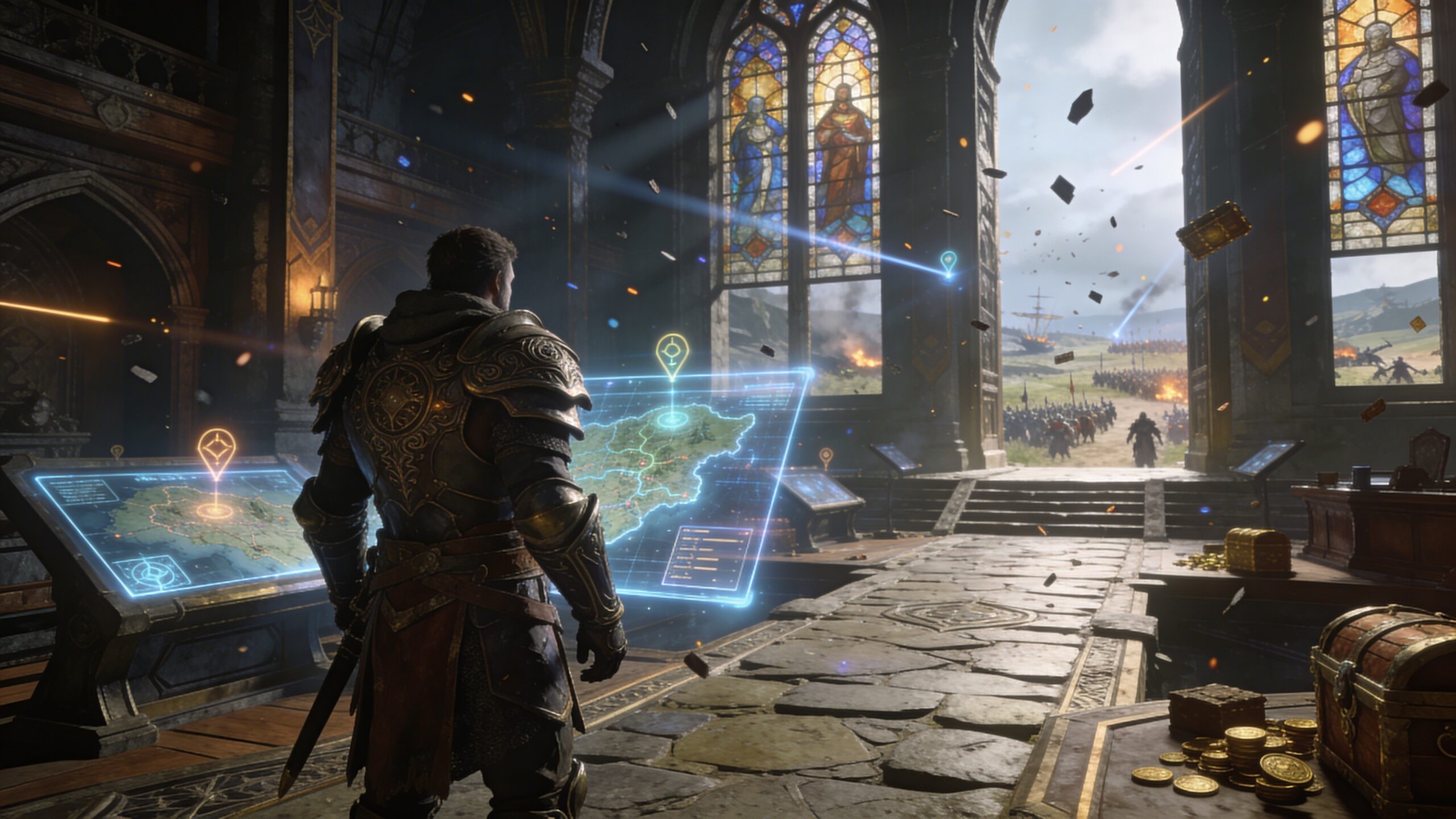
One of the first lessons players should learn in any open-world game is that the map is more than scenery. It is a system built to guide discovery, control pacing, and reward attention. Roads often lead to story hubs, elevation points reveal nearby landmarks, and remote corners hide rare items, secret bosses, or valuable side content. The world itself is part of the walkthrough.
Players who understand this begin reading the map more carefully. They notice clusters of icons, suspicious gaps in explored territory, and regions that appear visually dangerous or narratively important. Instead of randomly running in every direction, they start treating movement like strategy. That mindset saves time, reduces frustration, and increases the chance of uncovering content that truly matters.
Explore With Purpose, Not Pure Chaos
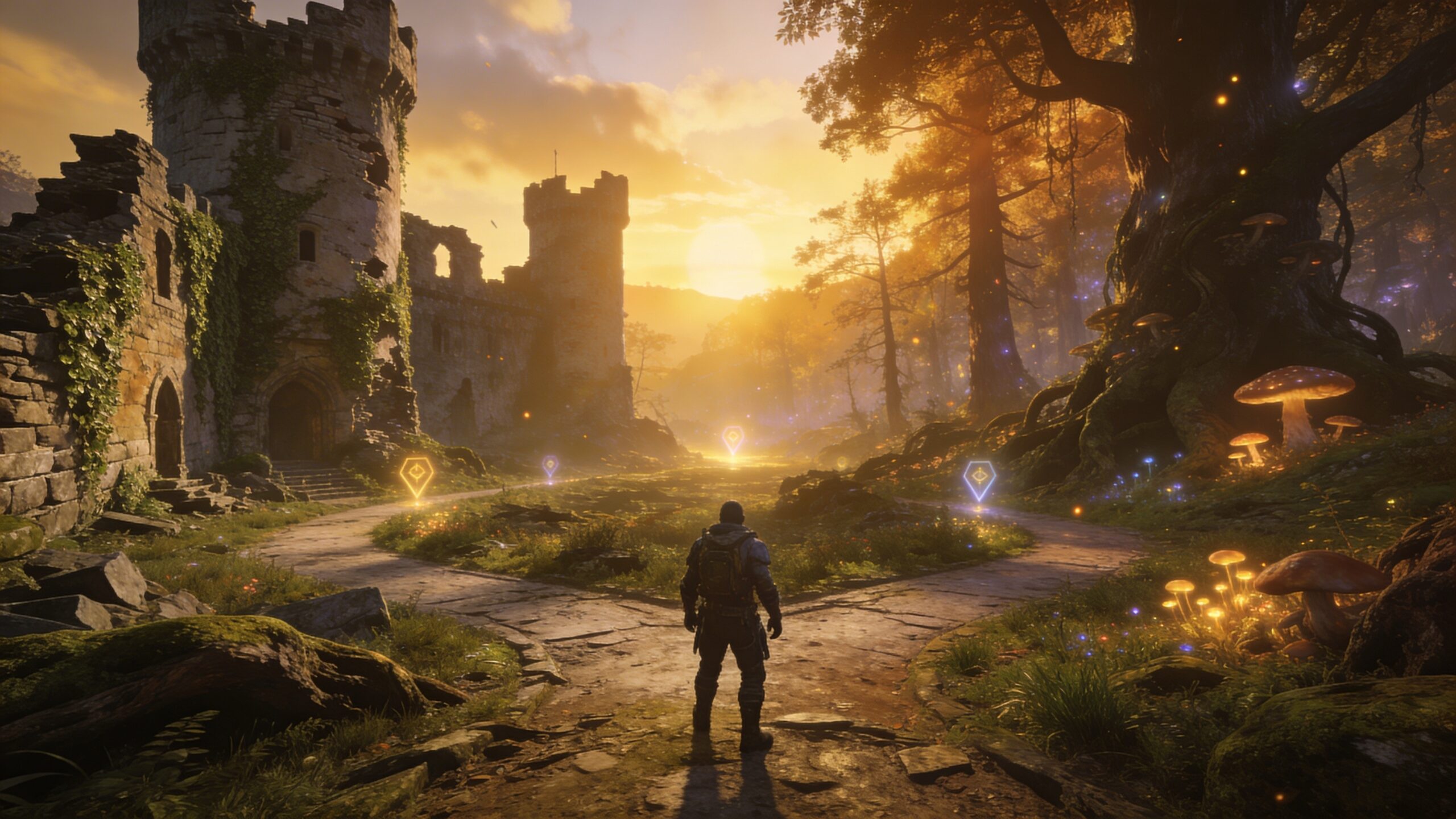
The early hours of an open-world game often tempt players to chase everything at once. A collectible in one direction, a side quest in another, a mysterious tower on the horizon, and an enemy camp nearby can quickly pull the player away from any real plan. While spontaneity is part of the fun, total chaos often leads to weak progression and unfinished tasks. The best walkthrough strategy is purposeful exploration. Pick a direction, define a short-term goal, and clear an area with intention. That might mean finishing a group of nearby activities before moving to the next region, following a road until it leads to a settlement, or searching one biome thoroughly before crossing into another. A focused pattern keeps the game feeling adventurous while still making progress measurable and satisfying.
Learn the Difference Between Main Progress and Smart Detours
Open-world games usually offer a central story path, but the best players know when to follow it and when to step away. If you rush the main campaign too quickly, you may miss side arcs, valuable upgrades, and world-building that enrich the experience. If you ignore the main story for too long, you can lose narrative momentum and spend dozens of hours doing tasks that no longer feel connected.
The smartest walkthrough strategy is to alternate between main progress and smart detours. Use story missions to open new mechanics, new regions, and better tools. Then pause to explore the surrounding content that becomes meaningful because of those unlocks. This rhythm keeps the game fresh. The story continues to move, but the world also has time to breathe and reward curiosity.
Open-World Games Reward Route Planning
A surprising number of players waste time in open-world games simply because they move inefficiently. They fast travel too often, zigzag across the map, or ignore natural quest clusters that could be completed in one trip. In a huge game, inefficient travel can quietly drain hours without providing much reward. Good route planning changes everything. Before leaving a town or hub, check what objectives are nearby, what collectibles lie along the road, and whether a companion task, upgrade station, or hidden location sits in the same region. When players start stacking objectives into one route, the game feels smoother and far more rewarding. Exploration still feels organic, but it gains structure.
Unlock Movement Options as Early as Possible
In many open-world games, movement is progression. Mounts, vehicles, grappling tools, gliders, climbing upgrades, double jumps, zip lines, and fast travel points are not just conveniences. They are major strategic assets. The earlier players unlock these systems, the more efficient and enjoyable the world becomes.
This is why one of the best walkthrough strategies is to prioritize mobility. If a questline or challenge grants better traversal, it is often worth completing early. Faster movement opens the map, reduces backtracking, and reveals hidden layers of design that were previously inaccessible. In many games, the moment movement improves is the moment the world truly opens.
Side Quests Are Not All Equal
A common mistake in open-world games is treating every side quest as equally important. Some are brilliant and transformative, while others are little more than filler. Strong walkthrough strategy depends on recognizing the difference. Companion arcs, faction storylines, upgrade-related missions, and regional narrative quests usually offer lasting value. Random errands may only provide minor rewards. Players who learn to identify high-value side content get much more from the game. Instead of burning out on low-impact tasks, they spend their time on quests that deepen the world, unlock mechanics, improve equipment, or influence endings. The goal is not to complete everything blindly. The goal is to complete the content that makes the world feel richer and the character stronger.
Leveling Systems Should Shape Your Journey
Many open-world games use leveling systems, gear scores, or regional difficulty ratings to control progression. These systems are not just numbers. They help signal where players should go, which enemies may be too strong, and which activities offer the best growth at a given stage of the game. Ignoring those signals often leads to frustration.
The best walkthrough strategies work with the leveling curve instead of fighting it. If a region is far above your current power, that is often a cue to return later. If several nearby missions match your current strength, that area is likely part of the intended progression flow. Following the world’s difficulty language helps players grow naturally without grinding aimlessly or stumbling into content they are not ready to handle.
Gear Progression Should Be Intentional
Open-world games often flood players with loot, crafting materials, and upgrade options. That abundance can feel exciting at first, but it can also lead to waste. Many players spend rare materials on gear they replace quickly or carry too many weapons without a clear build direction. Over time, that lack of focus weakens efficiency. A stronger approach is to build intentionally. Decide early whether your playstyle depends on stealth, ranged combat, heavy melee, survival tools, magic, or mobility. Then invest in gear and upgrades that support that identity. This creates momentum, makes combat smoother, and helps players recognize which rewards are actually valuable. In a giant world full of items, clarity matters more than quantity.
Towers, Viewpoints, and Map Reveal Mechanics Matter
Many open-world games include towers, synchronization points, survey platforms, or other ways to reveal the map. Some players see these as optional chores, but they are often some of the most useful objectives in the entire game. Revealing terrain, activity markers, roads, and region boundaries helps players plan smarter routes and avoid blind wandering.
These map systems also provide psychological clarity. A revealed area feels manageable, while an unrevealed one feels uncertain. By unlocking key viewpoints early, players make the world easier to understand. That does not reduce the sense of adventure. It strengthens it by giving players more confidence about where they are going and why.
Resources and Crafting Can Quietly Define Success
Crafting systems often look secondary compared to combat or story missions, but in many open-world games they are central to long-term success. Better potions, stronger arrows, vehicle repairs, traps, armor upgrades, and camp tools can dramatically improve survival and efficiency. Players who ignore crafting often feel underpowered without understanding why. The best walkthrough approach is to gather passively but craft strategically. Collect resources while traveling, hunting, scavenging, or looting, but save rare materials for upgrades that truly matter. Focus on equipment or supplies that solve recurring problems. That could mean healing, ammunition capacity, stealth tools, or mobility enhancements. When crafting supports a real need, it becomes one of the most powerful systems in the game.
Story Pacing Still Matters in Massive Worlds
The biggest risk in open-world games is not losing a fight. It is losing momentum. A compelling story can fade if players spend too long doing disconnected tasks between major missions. Emotional stakes weaken, urgent plot points begin to feel less urgent, and characters lose their presence. Even the best world can feel diluted when the pacing collapses.
That is why walkthrough strategy must protect the story as well as exploration. After a major twist or urgent mission setup, it often makes sense to stay with the narrative for a while. Once the story reaches a calmer point, that is the ideal time to branch out and explore. Managing this rhythm is one of the biggest differences between a memorable open-world experience and a bloated one.
Hidden Content Favors Curious Players
Some of the best content in open-world games is not marked clearly on the map. Hidden caves, secret bosses, buried lore, rare merchants, unique encounters, and special weapons are often found through curiosity rather than explicit direction. Players who only chase visible objectives may finish the game while missing some of its most exciting surprises. The best strategy is to remain curious without becoming random. Investigate unusual landmarks, strange sounds, isolated structures, suspicious terrain, and rumors from NPCs. These clues often lead to memorable discoveries. A good walkthrough mindset does not treat hidden content as accidental. It treats curiosity as part of the intended path.
Region-by-Region Clearing Builds Momentum
One highly effective strategy in open-world design is clearing the map region by region. Instead of bouncing constantly between faraway objectives, players complete story missions, side content, resource gathering, and landmark discovery in one area before moving to the next. This creates a strong sense of mastery and forward movement.
Region-based play also helps players remember the world better. Each area develops its own identity, challenges, storylines, and visual themes. By finishing one place before moving on, the game feels more cohesive and less fragmented. It also makes cleanup later much easier for players who want high completion.
The Best Walkthroughs Balance Freedom and Focus
What makes open-world games special is freedom, but what makes them satisfying is focus. A great walkthrough strategy respects both. It allows space for surprise, detours, and personal style while still helping players build power, uncover meaningful content, and keep the story alive. Too much structure can make the world feel mechanical. Too little structure can make it feel messy. The ideal player learns to move between those extremes. Follow the horizon sometimes. Follow the plan at other times. Know when the world is inviting you to wander and when it is asking you to commit. That balance is where open-world gaming becomes its most immersive and rewarding.
How to Finish Strong in an Open-World Game
As players approach the final act of an open-world game, strategy becomes even more important. This is the time to clean up major side arcs, secure key upgrades, resolve companion quests, and revisit any essential regions before crossing the final threshold. Many games narrow their world late in the story, either emotionally or mechanically, so strong preparation matters.
Finishing strong also means resisting burnout. Players do not need to complete every tiny activity before the ending unless that supports their enjoyment. The smarter approach is to identify what truly matters, complete the content that strengthens the final stretch, and let the finale land with force. A good ending feels better when the player arrives prepared, invested, and still excited.
Open-World Mastery Comes From Reading the World
The best walkthrough strategies for open-world games are not really about memorizing every objective. They are about learning how to read the world itself. When players understand map flow, pacing, quest value, movement systems, regional structure, and hidden design cues, they stop feeling lost in the size of the game. They begin shaping the experience instead of being overwhelmed by it. That is when open-world games become truly great. The world feels alive, progress feels meaningful, and every major discovery feels earned. With the right strategy, players can enjoy the freedom these games offer without sacrificing momentum, story quality, or the thrill of uncovering what waits beyond the next ridge.