The New Power Players of Esports Culture
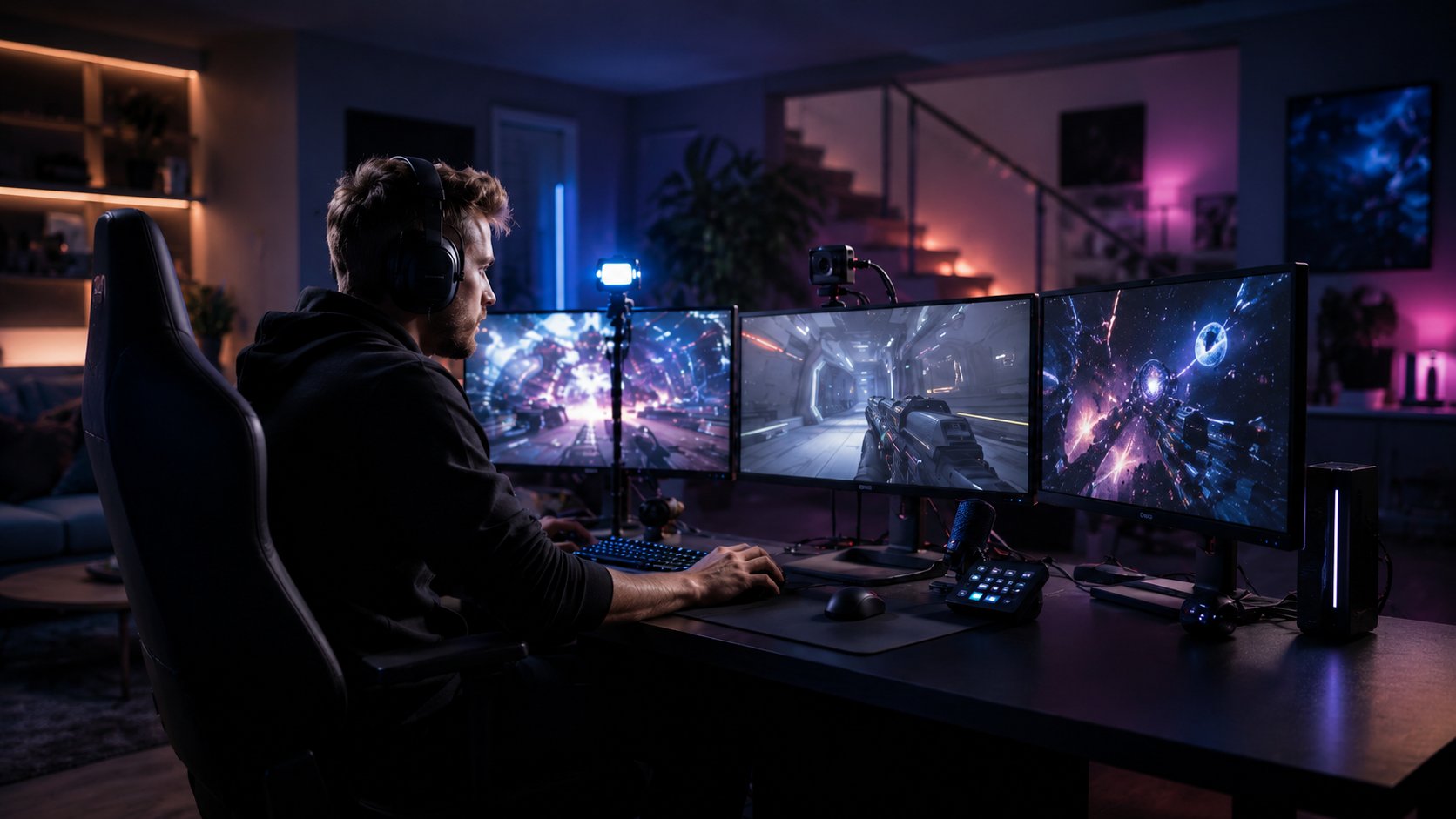
Esports used to be defined almost entirely by professional players, legendary teams, and tournament champions. Fans followed the names that won world titles, clutched grand finals, and created unforgettable moments on stage. That competitive foundation still matters, but the modern esports world has grown far beyond the trophy ceremony. Today, some of the most important people in gaming are content creators. Gaming content creators are the bridge between competition and culture. They stream ranked matches, react to tournaments, explain patch updates, host watch parties, create tutorials, build communities, and turn everyday gameplay into entertainment. Some are former professionals with years of competitive experience. Others are variety streamers, YouTubers, analysts, comedians, roleplay stars, or short-form video specialists who understand how to capture attention in seconds. For esports fans, knowing the biggest gaming content creators is no longer optional. These creators influence which games trend, which players get attention, which tournaments feel important, and which moments become part of internet history. They are not just watching esports from the sidelines. They are shaping how esports is discovered, discussed, and remembered. The biggest creators are not all the same. Some dominate through elite skill. Some win through personality. Some teach. Some entertain. Some bring chaos, comedy, drama, or expert analysis. Together, they represent the modern face of gaming influence.
A: Streamers, YouTubers, co-streamers, analysts, educators, former pros, short-form creators, and gaming entertainers all fit the category.
A: Creators explain games, react to events, highlight players, build communities, and keep esports culture active every day.
A: No. Skill helps, but personality, trust, consistency, and entertainment value are just as important.
A: A pro competes professionally, while a creator builds content and community; some people successfully do both.
A: They bring real competitive experience, behind-the-scenes knowledge, and trusted analysis.
A: Co-streamers add personality, explanation, humor, and live reactions to official esports events.
A: Yes. Smaller creators can become influential by owning a niche, teaching well, or building loyal communities.
A: Twitch, YouTube, TikTok, Instagram, Discord, and X all play major roles in creator growth and esports discussion.
A: Yes. A major creator can bring new attention to a game, mode, update, tournament, or competitive scene.
A: Look for creators who add insight, entertainment, consistency, community value, and a clear point of view.
Why Content Creators Matter to Esports Fans
A tournament broadcast gives fans the official version of esports. Content creators give fans the emotional version. They react in real time, explain what just happened, argue with chat, celebrate impossible plays, and turn competitive gaming into a shared experience. That direct connection is why fans often feel closer to creators than they do to teams or leagues.
Creators also make esports easier to enter. Competitive games can be intimidating. New viewers may not understand the map, the economy, the meta, the roles, or the strategies behind a high-level match. A good creator can turn that confusion into excitement. They explain the meaning behind a decision, highlight the skill in a small movement, and help fans see why a moment matters.
The biggest gaming content creators also keep games alive between major events. Esports calendars have off-days, off-seasons, roster breaks, and quiet periods. Creators fill those gaps with daily content. They keep communities talking, keep players engaged, and keep fans connected to the games they love. That is why every esports fan should know the creators shaping the space. They are often the first people fans watch in the morning, the last clips fans share at night, and the voices that define what the community cares about.
The Elite Player-Creator
One of the most powerful types of gaming creator is the elite player-creator. These are creators known for exceptional skill. They may be former pros, ranked demons, mechanical gods, or competitors who can make difficult gameplay look effortless. Fans watch them because they want to see greatness up close.
Creators like this thrive in games where skill expression is easy to recognize. First-person shooters, MOBAs, fighting games, battle royales, and sports titles all reward creators who can display mastery. A perfect flick, a clutch round, a clean combo, or a smart rotation can instantly become a clip. The audience sees the talent, then stays for the personality.
Elite player-creators often become unofficial teachers for their communities. Even when they are not making formal guides, viewers learn by watching their choices. They notice crosshair placement, map movement, timing, communication, and decision-making. The best creators can entertain while quietly educating.
For esports fans, these creators are essential because they reveal what high-level play feels like outside the official broadcast. They show the grind behind the stage. They show the frustration, repetition, confidence, and pressure that define competitive gaming. They make excellence feel personal.
The Retired Pro Turned Creator
Some of the most trusted voices in gaming are retired esports professionals who moved into content creation. These creators bring a level of experience that is hard to fake. They know what it feels like to play under pressure, practice for hours, deal with team dynamics, lose important matches, and chase championships.
When retired pros analyze a match, fans listen because the insight comes from lived experience. They can explain why a player made a risky decision, why a team composition failed, or why a young star has championship potential. They can also tell stories from inside the competitive scene, giving fans a deeper view of esports history and culture. Retired pro creators are especially valuable because they often connect different generations of fans. Longtime viewers remember their competitive careers, while newer viewers may discover them through streams, podcasts, breakdowns, or co-streams. That blend of legacy and personality makes them powerful figures in esports media.
Not every retired pro becomes a successful creator. The transition requires more than a famous name. It takes consistency, communication, and the ability to turn expertise into entertainment. The ones who succeed become some of the most important ambassadors in gaming.
The Tournament Co-Streamer
The tournament co-streamer has become one of the most influential figures in modern esports. Instead of watching an official broadcast alone, many fans now watch major events through a creator’s live commentary. The creator becomes a companion, analyst, comedian, and emotional guide all at once.
Co-streamers make esports feel more social. They react to the same moments fans are reacting to, but with the added power of personality and expertise. A great co-stream can make a slow match entertaining, a confusing play understandable, and a championship moment unforgettable.
For newer fans, co-streamers remove barriers. They explain what the broadcast may not have time to explain. They give context on players, teams, rivalries, and metas. For experienced fans, they offer a more relaxed and opinionated way to enjoy the match. The biggest co-streamers can shape the narrative of an event. Their reactions become clips. Their criticism becomes conversation. Their excitement can push more viewers toward a tournament. In many esports scenes, co-streamers are now part of the event experience, not just observers of it.
The YouTube Gaming Giant
While livestreaming gets much of the attention in esports, YouTube remains one of the most powerful platforms for gaming creators. YouTube creators build libraries of content that can be discovered for months or years. A stream is live for the moment, but a strong video can keep attracting fans long after it is posted.
YouTube gaming giants often master storytelling. They know how to package a challenge, build suspense, create a thumbnail concept, structure a title, and deliver a satisfying payoff. Some focus on competitive games. Others create variety gaming content, challenge videos, documentaries, reactions, or massive community events.
For esports fans, YouTube creators are important because they often turn complicated gaming stories into polished entertainment. They can explain a player’s rise, a team’s collapse, a game’s history, or a tournament’s biggest controversy in a way that feels cinematic.
YouTube also helps creators reach audiences who may not watch long livestreams. A fan might not have time for six hours of ranked gameplay, but they may watch a 15-minute breakdown, a highlight recap, or a creator documentary. That makes YouTube creators vital to the long-term growth of esports storytelling.
The Short-Form Clip Master
Short-form video has changed gaming fame. A creator no longer needs a massive stream audience to break through. One incredible clip can reach millions of people across TikTok, YouTube Shorts, Instagram Reels, and other social platforms. The short-form clip master understands this better than anyone. These creators know how to turn a moment into a hook. They capture the wild reaction, the impossible shot, the funny mistake, the heated argument, or the shocking comeback. They understand pacing, captions, sound, timing, and emotional payoff. In a world where attention moves fast, they know how to make gaming instantly understandable.
Short-form creators are especially important for esports because they help moments escape the core community. A casual viewer may not understand an entire tournament, but they can understand a clutch, a scream, a joke, or a dramatic reaction. That short clip may become the first step toward deeper fandom.
For esports fans, following short-form gaming creators is one of the easiest ways to stay plugged into the culture. They surface the moments everyone is talking about and often decide which plays become viral history.
The Educational Creator
Not every major gaming creator grows by being loud, chaotic, or flashy. Some grow because they make players better. Educational creators are among the most valuable figures in competitive gaming because they help fans understand both how to play and how to watch.
These creators break down strategies, mechanics, roles, patch changes, team compositions, map control, aim routines, movement, decision-making, and mental discipline. They turn complex games into lessons that feel useful and engaging. A great educational creator can make a viewer feel smarter after every video.
Educational creators are especially important in esports titles with steep learning curves. Games like tactical shooters, MOBAs, fighting games, and strategy-heavy team games can be difficult for beginners. The right creator can make those games feel approachable instead of overwhelming.
For esports fans, educational creators add depth. They help viewers understand why a professional play was impressive, why a team made a certain rotation, or why a patch shifted the entire competitive meta. They make the esport more rewarding to watch.
The Variety Streamer With Esports Influence
Some of the biggest gaming personalities are not tied to one esport. They move between games, react to events, collaborate with other creators, host community nights, and bring their audience wherever they go. These variety creators may not be specialists, but their influence can be enormous. A major variety streamer can introduce thousands or millions of fans to a competitive game simply by playing it. When they join a tournament, host a challenge, react to a major esports event, or collaborate with pro players, they create crossover attention. Their audience may not be hardcore esports fans at first, but the right moment can pull them in.
Variety creators also bring personality-first entertainment to gaming. Fans watch them because they trust the creator, not because they are loyal to one title. That trust allows creators to move across genres and still keep their communities engaged.
For esports, this matters because growth often comes from outside the existing fanbase. Variety streamers can make competitive games feel less intimidating and more entertaining to casual viewers. They are gateways into deeper gaming culture.
The Community Builder
Some creators become must-know names because they build communities that feel bigger than the content itself. Their fans do not just watch; they participate. They join Discord servers, submit clips, create memes, attend live chats, join custom games, and form friendships around the creator’s world.
Community builders understand that gaming is social. They create spaces where fans feel seen and involved. Their streams may include inside jokes, recurring traditions, viewer games, community tournaments, or long-running storylines that make the audience feel like part of something.
This type of creator is especially powerful in esports because community loyalty often outlasts game trends. A fan may start watching for one title, but stay because they love the people around the creator. That loyalty makes community builders incredibly valuable to teams, sponsors, and game developers. For esports fans, these creators offer more than entertainment. They offer belonging. They turn fandom from something you watch into something you join.
The Global Gaming Creator
Esports is international, and the biggest creator landscape is not limited to one language or region. Some of the most influential gaming creators come from Brazil, Korea, Japan, the Philippines, Indonesia, India, Mexico, France, Spain, the Middle East, and many other gaming communities around the world.
Global creators shape how regional scenes are understood. They introduce local players, explain rivalries, react to tournaments, translate cultural moments, and bring international attention to games that may be undercovered in other markets. In mobile esports especially, regional creators can be central to fan growth.
For esports fans, following global creators opens the door to a much wider world. It helps fans understand that competitive gaming is not one single culture. It is a network of passionate communities, each with its own heroes, jokes, rivalries, and traditions.
The biggest gaming creators are often the ones who can make a local scene feel global and a global event feel personal.
What Makes a Creator Worth Knowing
The biggest gaming content creators are not always the ones with the most followers. Audience size matters, but influence is more complicated. A creator is worth knowing if they shape conversation, build trust, teach the community, create memorable moments, or bring new fans into esports.
Some creators are must-know because they dominate a specific game. Others matter because they cross over into multiple communities. Some are important because they are consistently funny, while others matter because their analysis is respected. Some creators are trendsetters. Others are historians, teachers, entertainers, or cultural translators. For Player Streets readers, the best way to think about gaming creators is by role. Who helps you understand the game? Who makes the scene more exciting? Who creates the clips everyone shares? Who explains the drama without losing credibility? Who brings new fans into the community? Those are the creators every esports fan should know.
The Future of Gaming Creator Fame
Gaming content creators are becoming more important every year because fan attention is becoming more personal. People do not only follow games anymore. They follow personalities. They follow voices they trust, reactions they enjoy, and communities they want to be part of.
The next wave of major esports figures may come from unexpected places. A ranked grinder could become a global streamer. A coach could become a respected educational creator. A funny short-form editor could become the face of a game’s meme culture. A regional streamer could introduce an entire scene to international fans. A retired pro could build a second career as one of the most trusted analysts in esports. This future is exciting because it gives esports more ways to grow. The scene no longer depends only on official leagues or championship broadcasts. It grows through creators who make gaming feel alive every day.
The biggest gaming content creators every esports fan should know are the ones who turn competition into culture. They make games easier to understand, more fun to watch, and more meaningful to follow. They are the voices in the watch party, the faces in the clips, the teachers in the guides, and the personalities who keep fans connected long after the match ends.
In the modern gaming world, creators are not just part of esports. They are becoming some of its most powerful stars.