The Evolution of Esports Excellence
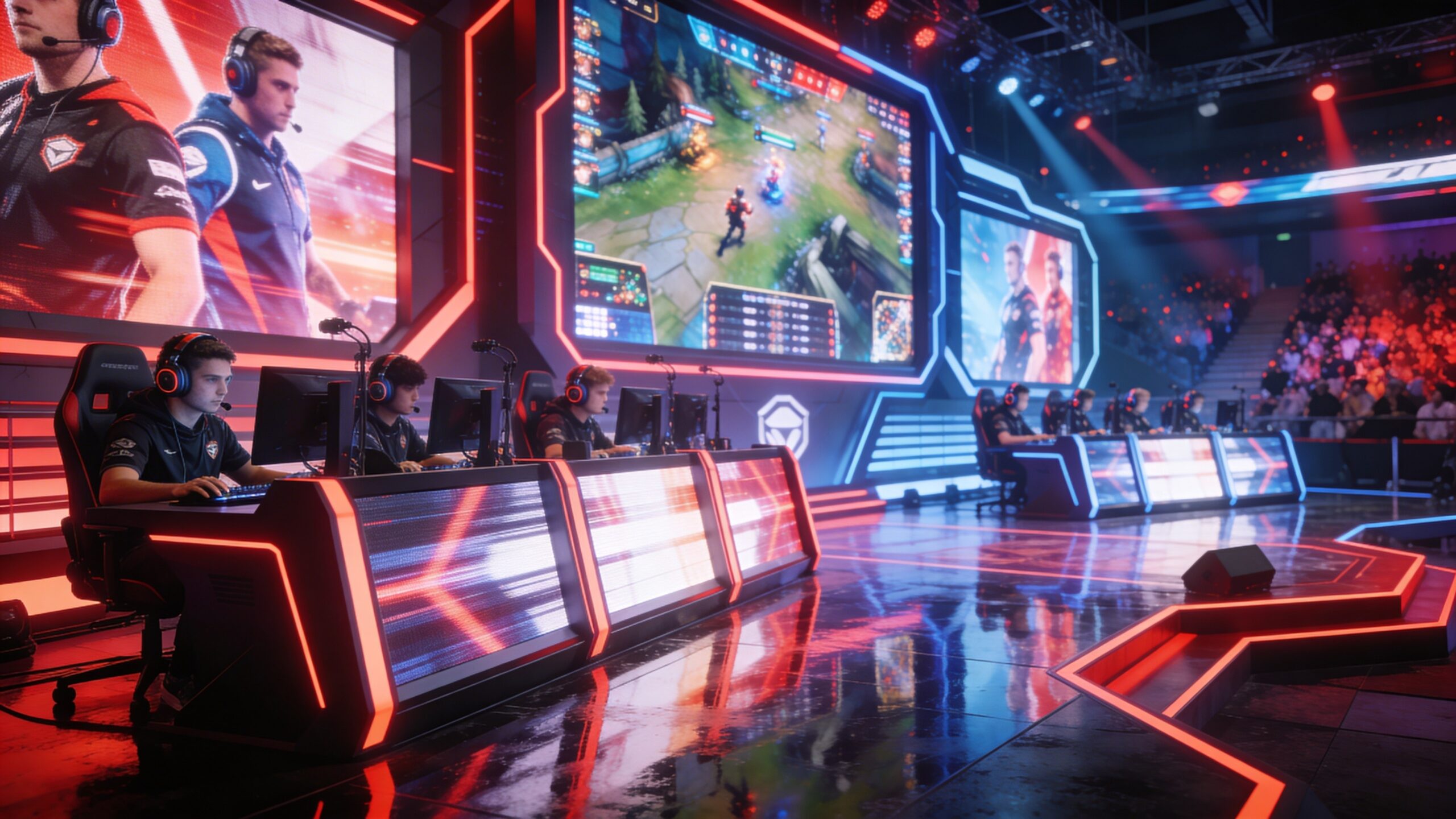
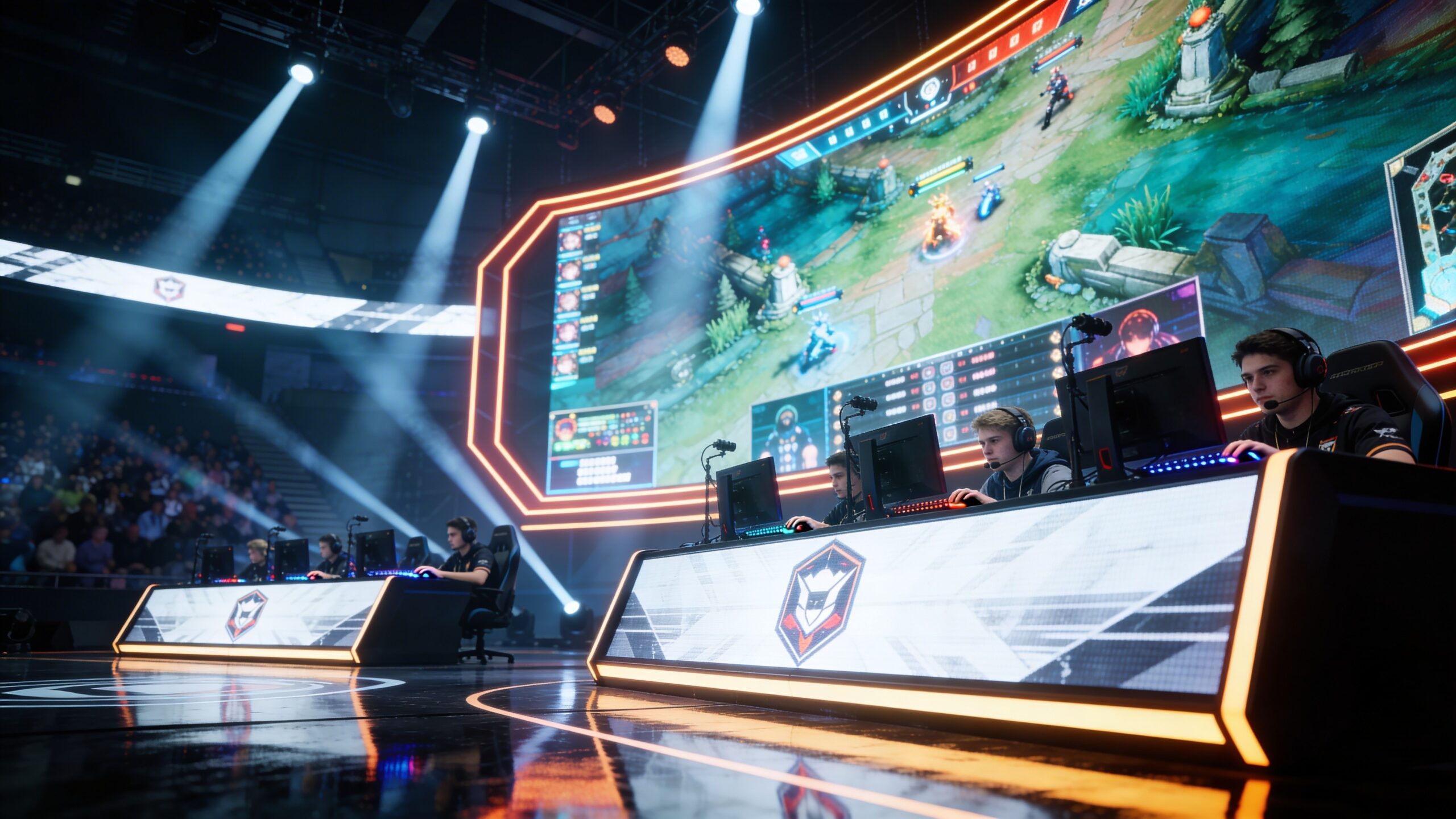
Esports has rapidly transformed from niche competitions into a global phenomenon that rivals traditional sports in scale, audience, and financial impact. At the center of this evolution are elite esports teams—organizations that combine raw talent, strategic mastery, and cutting-edge infrastructure to dominate competitive gaming. These teams are not just competing for trophies; they are shaping the culture, innovation, and future of the gaming industry. The concept of ranking the best esports teams in the world is dynamic by nature. Performance fluctuates with each tournament, roster changes can redefine team identity, and new titles continuously emerge to shift the competitive landscape. However, certain organizations consistently rise to the top through a combination of skill, adaptability, and sustained excellence. This updated ranking highlights the teams currently leading the charge across multiple esports titles.
A: Through ranked play, scouting, and amateur leagues.
A: Typically 6–12 hours.
A: Reaction time, strategy, and teamwork.
A: Yes, along with analysts and staff.
A: Yes, including playing, streaming, and coaching.
A: A practice match between teams.
A: Yes, with international tournaments.
A: Many transition into other roles.
A: LoL, CS2, Valorant, Dota 2.
A: Extremely competitive at the top level.
What Defines the Best Esports Teams
Determining the best esports teams in the world goes beyond simply counting championships. It involves analyzing consistency, international performance, roster stability, innovation, and the ability to perform under pressure. The most dominant teams are those that can maintain high-level performance across multiple events and adapt quickly to evolving metas.
Infrastructure also plays a crucial role. Leading organizations invest heavily in coaching, analytics, sports psychology, and player development. These elements create environments where players can reach peak performance and sustain it over time. Additionally, global fan engagement and brand strength contribute to a team’s overall influence, making them not only competitive powerhouses but also cultural icons.
Updated Rankings: The Elite Tier
At the very top of the updated rankings are teams that consistently perform at the highest level across multiple titles and regions. T1 remains a cornerstone of competitive gaming, especially in League of Legends, where their legacy continues to influence the global meta. Their disciplined approach and history of excellence keep them firmly at the top.
G2 Esports continues to thrive as one of the most innovative organizations in the industry. Known for their creative strategies and fearless playstyle, G2 consistently challenges conventional approaches and delivers high-impact performances across multiple titles.
Team Liquid stands as one of the most versatile teams in esports, competing across a wide range of games with consistent success. Their investment in infrastructure and player development has made them a model organization. JD Gaming and Gen.G represent the strength of Asian esports, particularly in League of Legends. Their dominance is built on exceptional teamwork, strategic depth, and relentless consistency. Meanwhile, organizations like NAVI and FaZe Clan continue to dominate the FPS scene, showcasing mechanical brilliance and tactical precision.
Rising Powerhouses and Challengers
Beyond the elite tier, a new wave of teams is rapidly climbing the rankings. These organizations are redefining what it means to compete at the highest level, often challenging established giants with fresh strategies and fearless gameplay. LOUD has emerged as a dominant force in Valorant, combining disciplined teamwork with explosive individual performances. Paper Rex continues to push boundaries with unconventional strategies that keep opponents off balance. Sentinels, with their star-studded roster, remain one of the most recognizable names in the scene.
In Dota 2, teams like Gaimin Gladiators and Team Spirit have captured global attention through their consistency and ability to perform under pressure. Their success highlights the importance of adaptability and teamwork in one of the most complex esports titles.
Regional Dominance and Global Impact
Esports is inherently global, and regional dominance often translates into international success. Chinese, Korean, European, and North American teams each bring unique playstyles and strategic approaches to the competitive landscape.
EDward Gaming and Bilibili Gaming continue to showcase the depth of talent in China, while DRX represents the resilience and innovation of Korean esports. European teams like Fnatic and Vitality maintain strong international presence, blending tradition with modern strategies.
North American organizations such as Cloud9 and 100 Thieves are investing heavily in infrastructure and talent development, ensuring they remain competitive on the global stage. These regional dynamics create a rich and diverse competitive environment, where styles clash and innovation thrives.
The Complete Updated Top 25 Rankings
The current rankings reflect a balance of legacy, performance, and momentum. The best esports teams in the world right now include T1, G2 Esports, Team Liquid, JD Gaming, Gen.G, NAVI, FaZe Clan, Vitality, LOUD, Paper Rex, Sentinels, Gaimin Gladiators, Team Spirit, EDward Gaming, Bilibili Gaming, DRX, Cloud9, Fnatic, 100 Thieves, Evil Geniuses, Heroic, Astralis, OG, PSG Quest, and Team Falcons.
Each of these teams has demonstrated exceptional performance in their respective titles, earning their place among the elite. While rankings may shift with future tournaments, these organizations currently represent the pinnacle of competitive gaming.
The Importance of Team Culture
One of the defining characteristics of top esports teams is their culture. Successful organizations foster environments that encourage collaboration, discipline, and continuous improvement. Team culture influences everything from practice routines to in-game communication, making it a critical factor in long-term success. Players who feel supported and motivated are more likely to perform at their best. This is why many top teams invest in mental health resources, team-building activities, and professional coaching staff. The result is a cohesive unit capable of overcoming challenges and maintaining peak performance.
Star Power and Team Balance
While esports is increasingly team-oriented, star players continue to play a significant role in shaping outcomes. These individuals bring exceptional skill and the ability to deliver in high-pressure situations. However, modern esports emphasizes balance, where every player contributes to the team’s success.
The best teams strike a balance between individual brilliance and collective synergy. This approach ensures that they can adapt to different opponents and scenarios, making them more resilient in competitive environments.
Innovation Driving Competitive Success
Innovation is a hallmark of the best esports teams. Whether it’s developing new strategies, leveraging advanced analytics, or experimenting with unconventional approaches, top teams are constantly pushing the boundaries of what is possible. Coaching staff and analysts play a crucial role in this process, breaking down gameplay data and identifying opportunities for improvement. This analytical approach allows teams to stay ahead of the competition and maintain their edge in an ever-changing landscape.
The Future of Esports Rankings
As esports continues to grow, rankings will become even more dynamic and competitive. New teams will emerge, established organizations will evolve, and technological advancements will reshape how games are played and viewed.
The next generation of esports teams will likely focus even more on data-driven strategies, player wellness, and global brand expansion. These factors will play a key role in determining which teams rise to the top in the years to come.
Final Thoughts
The best esports teams in the world represent the pinnacle of competitive gaming, combining skill, strategy, and innovation to achieve greatness. These updated rankings highlight the organizations that are currently leading the industry, setting standards, and inspiring the next generation of players. As the esports landscape continues to evolve, one thing remains certain: the pursuit of excellence will drive teams to push boundaries, redefine competition, and captivate audiences around the globe.