The Rise of Esports Powerhouses
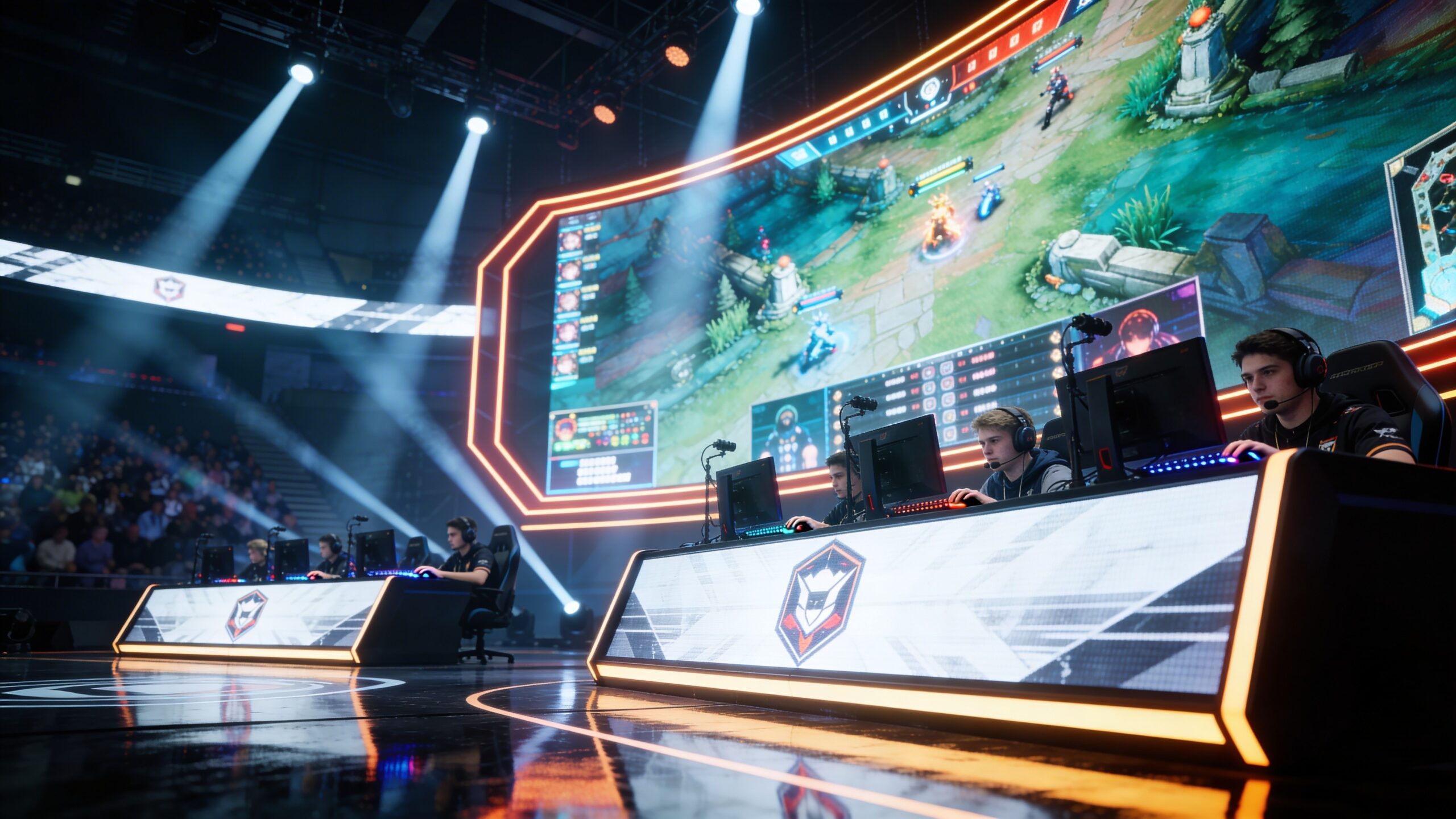
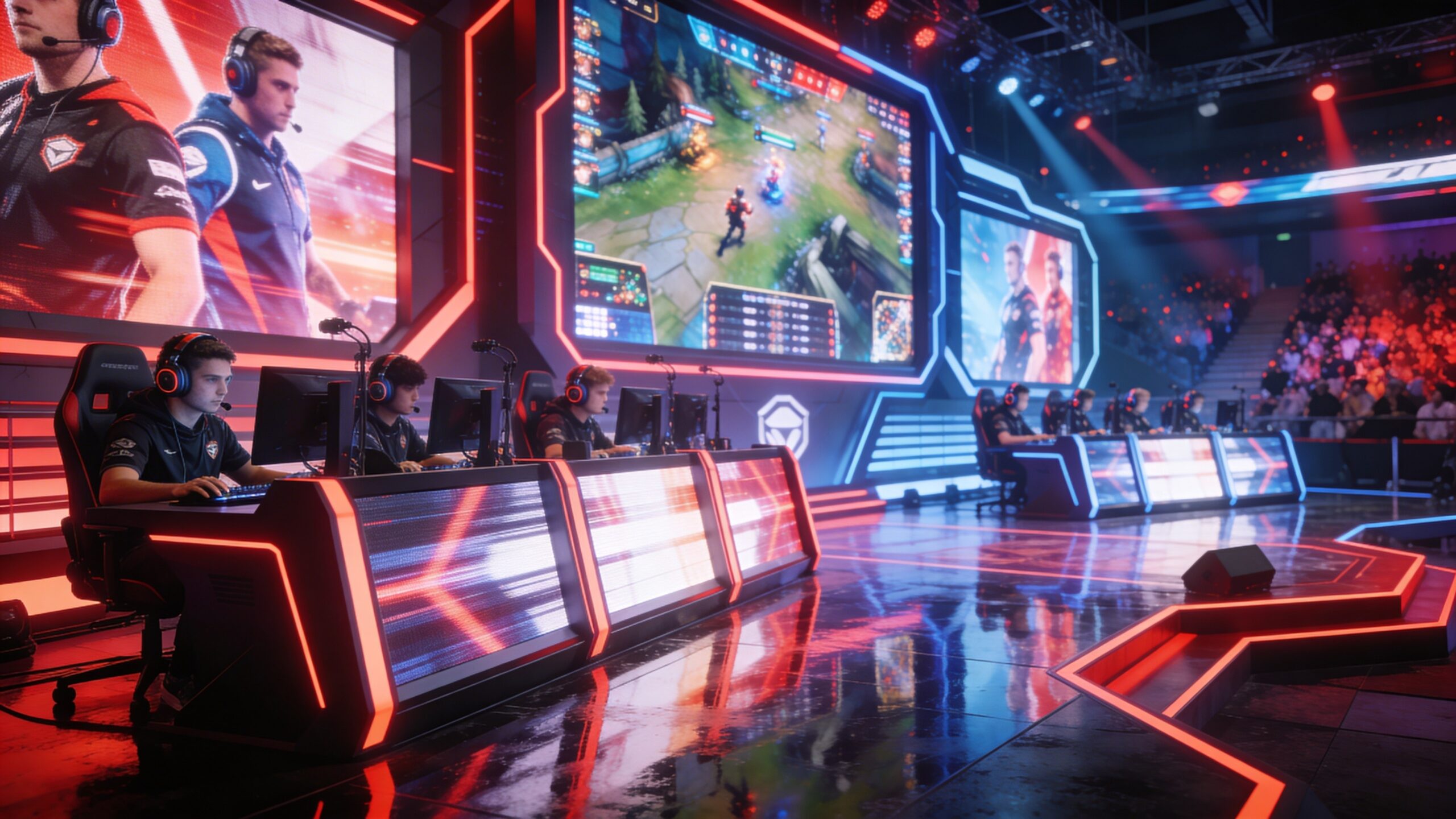
Competitive gaming has evolved into a global spectacle, blending elite skill, massive audiences, and billion-dollar ecosystems. Esports teams are no longer just groups of players—they are brands, institutions, and cultural icons shaping the future of entertainment. From packed arenas to online viewership that rivals traditional sports, the teams dominating today’s landscape represent the pinnacle of strategic thinking, mechanical mastery, and organizational excellence. The modern esports ecosystem spans multiple titles, including League of Legends, Counter-Strike 2, Valorant, Dota 2, Call of Duty, and more. The most dominant teams are those that adapt across titles, build strong player development systems, and maintain consistent performance under pressure. This list highlights 25 teams currently leading the charge, setting standards, and redefining what it means to compete at the highest level.
A: Through ranked performance, scouting, and amateur leagues.
A: Often 6–12 hours daily.
A: Many transition to coaching or streaming.
A: League of Legends, CS2, Valorant, Dota 2.
A: Many rely on sponsorships and media revenue.
A: Some use team houses or training facilities.
A: A practice match against another team.
A: Critical—often more than individual skill.
A: Many begin competing in their teens.
A: With dedication, skill, and opportunity, yes.
Global Titans Setting the Standard
At the very top of the esports hierarchy are organizations that consistently perform across multiple titles while maintaining a strong global brand. Teams like T1, G2 Esports, and Team Liquid have built reputations that transcend individual games. T1 continues to dominate League of Legends with a legacy that includes some of the most iconic players in history, while G2 Esports thrives on innovation, creativity, and fearless gameplay across multiple titles.
Team Liquid stands as one of the most versatile organizations in esports, competing at a high level in nearly every major game. Their infrastructure, coaching, and player support systems make them a consistent contender. Meanwhile, organizations like Cloud9 and Fnatic continue to blend tradition with innovation, maintaining relevance in an ever-evolving competitive landscape. These global titans don’t just win—they shape the meta, influence fan culture, and push the boundaries of what esports organizations can achieve.
Tactical Dominance in FPS Esports
First-person shooter games like Counter-Strike 2 and Valorant demand precision, communication, and split-second decision-making. Teams such as NAVI, FaZe Clan, and Vitality have established themselves as dominant forces in these high-stakes environments.
NAVI’s structured approach and mechanical brilliance have made them a constant threat in Counter-Strike. FaZe Clan combines raw talent with aggressive playstyles, often overwhelming opponents with sheer firepower. Vitality, backed by world-class players, has mastered consistency and strategic depth.
In Valorant, teams like Sentinels, LOUD, and Paper Rex are redefining the game’s competitive ceiling. Sentinels bring star power and clutch performances, LOUD showcases disciplined teamwork and adaptability, and Paper Rex thrives on unpredictable, high-risk strategies that keep opponents guessing. These teams exemplify how FPS esports continues to evolve into a discipline of both precision and creativity.
MOBA Masters and Strategic Geniuses
Multiplayer Online Battle Arena (MOBA) games remain some of the most complex and strategically demanding in esports. Teams like JD Gaming, Gen.G, and Royal Never Give Up dominate League of Legends through meticulous planning, synergy, and execution. JD Gaming has emerged as a powerhouse with exceptional macro play and team coordination. Gen.G combines disciplined strategies with mechanical excellence, while Royal Never Give Up continues to showcase resilience and adaptability in high-pressure matches.
In Dota 2, organizations like Team Spirit, PSG Quest, and Gaimin Gladiators have risen to prominence. Team Spirit’s underdog victories have captured global attention, while Gaimin Gladiators’ consistency has made them one of the most feared teams in the scene. These MOBA teams demonstrate that success is not just about individual skill—it’s about teamwork, timing, and long-term strategy.
Regional Giants and Rising Challengers
Esports is a global phenomenon, and regional dominance often translates into international success. Teams like DRX, EDward Gaming, and Bilibili Gaming have emerged as leaders in their respective regions, bringing unique playstyles and strategies to the global stage.
DRX’s championship runs have proven that perseverance and team cohesion can overcome even the strongest opponents. EDward Gaming continues to represent the strength of Chinese esports with disciplined and calculated gameplay. Bilibili Gaming, meanwhile, is rapidly rising, combining young talent with innovative strategies.
In North America, teams like 100 Thieves and Evil Geniuses are pushing boundaries, investing heavily in infrastructure and player development. Their commitment to growth ensures that they remain competitive on the international stage. These regional giants highlight the diversity and depth of talent across the esports world.
The Full List: Top 25 Teams Dominating Right Now
The current competitive landscape is defined by a mix of legendary organizations and emerging contenders. Among the top teams shaping esports today are T1, G2 Esports, Team Liquid, Cloud9, Fnatic, NAVI, FaZe Clan, Vitality, Sentinels, LOUD, Paper Rex, JD Gaming, Gen.G, Royal Never Give Up, Team Spirit, Gaimin Gladiators, PSG Quest, DRX, EDward Gaming, Bilibili Gaming, 100 Thieves, Evil Geniuses, Astralis, Heroic, and OG. Each of these teams brings something unique to the table, whether it’s innovative strategies, exceptional player talent, or a culture of excellence that drives consistent success.
What Makes a Dominant Esports Team?
Dominance in esports is not accidental. It requires a combination of factors that extend far beyond gameplay. Successful teams invest heavily in coaching, analytics, and infrastructure. They build environments where players can thrive, both mentally and physically.
Team synergy is another critical factor. Even the most talented players cannot succeed without strong communication and coordination. The best teams develop a deep understanding of each other’s playstyles, allowing them to execute complex strategies seamlessly.
Adaptability is equally important. The esports meta is constantly evolving, and teams must be able to adjust quickly. Those that can innovate and stay ahead of trends are the ones that maintain long-term success.
The Role of Star Players
While teamwork is essential, star players often serve as the backbone of dominant teams. These individuals bring not only exceptional skill but also leadership, confidence, and the ability to perform under pressure.
Players like Faker, s1mple, and other global icons have defined eras of esports through their performances. Their ability to turn the tide of a match, inspire teammates, and deliver in critical moments makes them invaluable assets. However, modern esports is increasingly shifting toward balanced rosters, where every player contributes equally. This evolution reflects the growing complexity and competitiveness of the scene.
Innovation and Strategy in Modern Esports
The teams dominating today are not just skilled—they are innovative. They experiment with new strategies, adapt to meta shifts, and leverage data to gain an edge. Advanced analytics, performance tracking, and strategic coaching have become standard practices among top organizations.
Innovation extends beyond gameplay. Teams are also redefining fan engagement, content creation, and brand building. From streaming to social media, they are creating ecosystems that connect with audiences worldwide.
This combination of innovation and strategy ensures that the top teams remain at the forefront of the industry.
The Future of Competitive Gaming
As esports continues to grow, the competition will only become more intense. New teams will emerge, challenging established organizations and pushing the boundaries of what is possible. Technological advancements, including AI-driven analytics and immersive viewing experiences, will further transform the landscape. The teams dominating today are not just winning tournaments—they are shaping the future of esports. Their influence extends beyond the game, impacting culture, technology, and entertainment on a global scale.
Final Thoughts
The top 25 esports teams dominating competitive gaming right now represent the pinnacle of skill, strategy, and innovation. They are the standard-bearers of an industry that continues to evolve at a rapid pace. Whether through legendary performances, groundbreaking strategies, or global influence, these teams are defining what it means to compete at the highest level.
As the esports world continues to expand, one thing is certain: the competition will only get fiercer, and the teams that adapt, innovate, and inspire will remain at the top.