
The Global Rise of Competitive Gaming
Esports has evolved from niche gatherings in arcades and small LAN events into a massive international industry with professional teams, franchised leagues, and multimillion-dollar championships. Today, competitive gaming spans continents, languages, and cultures, uniting millions of players and viewers in a shared digital arena. The biggest esports leagues in the world right now represent the highest level of organized competition, showcasing elite talent and creating career paths for players who once competed only for fun. As streaming platforms, sponsorship deals, and global broadcasting expanded, esports leagues began to mirror traditional sports structures. Seasons, playoffs, team transfers, and championship finals have become defining features. These leagues now command global audiences, with millions tuning in to watch rivalries unfold, strategies evolve, and new champions emerge.
A: Through rankings, scouting, and qualifiers.
A: Many players compete for years with strong training.
A: Yes, coaches guide strategy and preparation.
A: Most operate in seasonal cycles each year.
A: With skill, practice, and opportunity, it’s possible.
A: Both formats are common.
A: Yes, major events are held worldwide.
A: Essential in most competitive titles.
A: Many offer large rewards for top teams.
A: Yes, consistent practice is key.
What Defines a Major Esports League
The largest esports leagues share a few core characteristics that separate them from smaller competitions. They feature consistent seasons, official team organizations, structured rankings, and significant prize pools. They also have strong viewership numbers and dedicated fan bases that follow teams year after year.
Unlike one-off tournaments, major leagues offer continuity. Players develop reputations across seasons. Teams build identities. Rivalries grow stronger over time. Fans become deeply invested in standings, storylines, and championship pursuits. This long-term structure is what has helped esports mature into a sustainable global entertainment industry.
League of Legends Championship Circuits
One of the most influential forces in esports today comes from the competitive ecosystem surrounding League of Legends. Regional leagues across North America, Europe, Korea, and China feed into international events that attract enormous global attention. These leagues operate with franchise systems, structured seasons, and top-tier production values that rival traditional sports broadcasts.
The strength of this ecosystem lies in its consistency. Fans know when seasons begin, when playoffs take place, and how teams qualify for international competition. The result is a year-round competitive cycle that keeps viewers engaged and players constantly striving to improve.
With strong organizational support, massive viewership numbers, and a deep talent pool, League of Legends leagues remain among the most recognizable and widely followed competitive gaming circuits in the world.
Counter-Strike’s Global Competitive Scene
Few games have built such a long-standing competitive reputation as Counter-Strike. Its global league and tournament ecosystem has produced some of the most intense rivalries and iconic moments in esports history. Teams from Europe, North America, and beyond regularly compete in high-stakes matches that test precision, strategy, and teamwork.
Counter-Strike leagues stand out because of their longevity. Generations of players have come and gone, but the competitive structure continues to evolve while maintaining its core identity. Each season brings new contenders, dramatic upsets, and storylines that keep fans coming back. The game’s fast pace and skill-focused gameplay make it especially exciting to watch, which has helped maintain its place as a cornerstone of professional esports competition.
The Global Impact of Dota 2 Competitive Play
Dota 2’s professional scene is built around one of the most prestigious annual championship structures in esports. Teams compete throughout the year to earn rankings, qualify for major events, and secure a place in the highest level of competition.
What sets this ecosystem apart is the sheer scale of its championship events. The buildup throughout the season creates tension and anticipation, as teams fight to prove themselves worthy of competing on the biggest stage. This journey from regional competition to international recognition adds depth to the competitive narrative.
The strategic complexity of Dota 2 also adds to its appeal. Each match feels like a battle of intellect and execution, making every tournament appearance meaningful and memorable.
Franchise-Based Leagues and Structured Seasons
One of the biggest shifts in esports over the past decade has been the rise of franchise-based leagues. These leagues operate with permanent teams, consistent branding, and long-term investment from organizations. This model provides stability, allowing teams to build loyal fan bases and invest in player development.
Franchised leagues have helped legitimize esports as a professional industry. Players sign contracts, organizations manage training facilities, and events are produced with high-level broadcasting standards. This level of professionalism has attracted major sponsors and global media attention. Structured seasons also give fans a familiar rhythm. Weekly matches, standings, and playoff races mirror traditional sports formats, making the competitive scene more accessible to new audiences.
Regional Powerhouses and Global Rivalries
Some of the most exciting moments in esports happen when regional champions meet on the world stage. Different regions develop unique play styles and strategies, shaped by local competition and culture. When these styles clash, it creates unpredictable and thrilling matchups.
International leagues and tournaments bring together teams from around the globe, creating rivalries that span continents. These moments highlight not just individual skill but also national pride and team identity. Fans often rally behind their region’s representatives, turning matches into high-stakes global events.
The diversity of competition keeps the scene dynamic. No single region dominates forever, and every season offers new contenders eager to make their mark.
The Role of Production and Spectacle
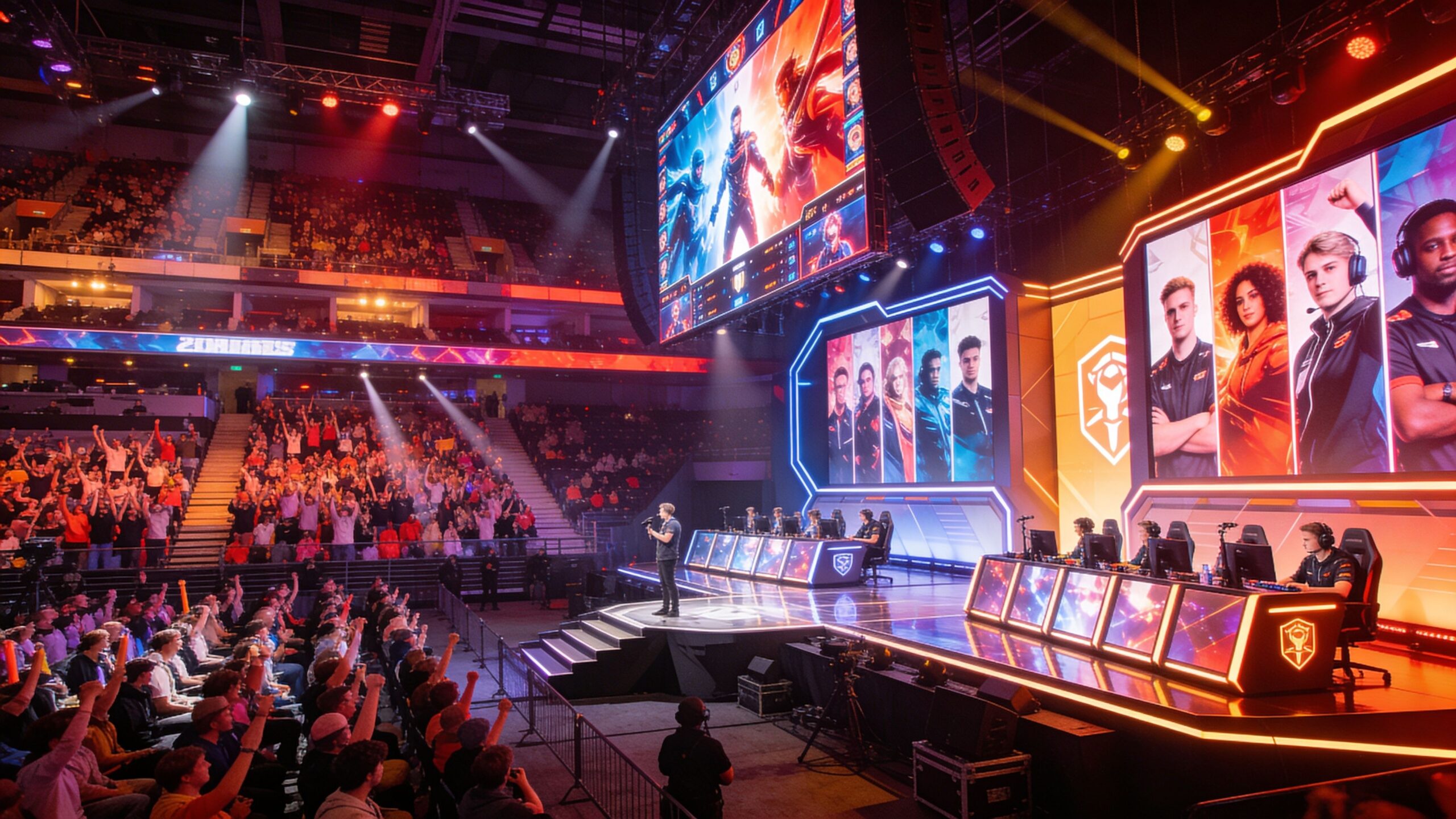
Modern esports leagues are not just competitions. They are full entertainment experiences. Events are held in massive arenas, complete with dramatic lighting, live audiences, and high-energy commentary. Online broadcasts feature advanced camera work, detailed analysis, and interactive elements that bring fans closer to the action.
The scale of production has grown rapidly. Major league finals now resemble major sporting events, with opening ceremonies, stage effects, and global streaming coverage. This level of presentation has helped esports gain mainstream recognition and attract viewers who might not even play the games themselves. The spectacle adds emotional weight to the competition. When players step onto the stage, the atmosphere alone can feel like a championship moment.
The Influence of Star Players and Teams
Just like in traditional sports, the biggest esports leagues are shaped by standout personalities. Star players become household names within the gaming community. Their performance, leadership, and rivalries drive fan engagement and media attention.
Teams also play a major role in building the league’s identity. Successful organizations develop loyal followings and strong reputations. Fans support them season after season, celebrating victories and enduring losses together.
This connection between fans and competitors gives leagues long-term staying power. The storylines go beyond individual matches and become part of a larger competitive history.
Emerging Leagues and Expanding Opportunities
While established leagues dominate headlines, new competitive circuits continue to emerge. As new games gain popularity, developers create professional ecosystems to support organized play. These fresh leagues bring new talent into the spotlight and expand the overall esports landscape.
Emerging regions are also making their presence known. Countries that once had limited competitive scenes are now producing world-class players and teams. This growth reflects the global reach of gaming and the accessibility of online competition. As technology improves and interest continues to rise, more leagues are likely to form, creating new pathways for players and more content for fans to follow.
Why These Leagues Matter to the Future of Gaming
The biggest esports leagues are not just about competition. They are shaping the future of gaming as a whole. They influence game design, inspire new generations of players, and create entire ecosystems around competitive play. For players, these leagues represent the highest level of achievement. For fans, they provide ongoing entertainment and community. For the industry, they serve as proof that gaming has evolved into a global cultural force. Each season brings new champions, new stories, and new milestones. As the esports world continues to grow, these leagues remain at the center of it all, driving innovation, excitement, and global connection.


