Why Game Walkthroughs Matter
For many players, starting a new game is exciting and overwhelming at the same time. A fresh world, unfamiliar systems, hidden mechanics, branching paths, boss fights, and upgrade choices can make even a great game feel confusing in the opening hours. That is where game walkthroughs become so valuable. They help players understand the structure of a game faster, avoid common mistakes, and move through the experience with more confidence. A strong walkthrough is not just about finding the next door or beating one difficult enemy. It is about learning how a game works. When beginners use walkthrough strategies the right way, they waste less time, make smarter decisions, and enjoy a smoother path from the opening tutorial to the final credits. That is why game walkthroughs remain one of the most useful tools in gaming.
A: Not usually, because they improve understanding while still leaving execution up to the player.
A: Use it to learn systems, routes, and priorities rather than copying every tiny step.
A: No, because some help progress while others mostly waste time early on.
A: Usually because important systems, routes, or upgrade choices have not clicked yet.
A: Learn attack patterns, stay calm, and wait for safe openings.
A: Focus on survival, mobility, or the abilities you actually use most.
A: Follow strong priorities, stack nearby objectives, and check the map often.
A: Yes, but only when it leads to useful rewards, shortcuts, or important content.
A: Absolutely, because every mistake helps build better instincts for the next challenge.
A: Rushing forward without understanding the systems that make progress easier.
What a Walkthrough Actually Does
A good game walkthrough gives players a sense of direction. It helps them understand where to go, what to prioritize, which upgrades matter, and how to handle major challenges without constantly getting stuck. Instead of wandering blindly or repeating the same mistake for an hour, players can use a walkthrough to stay focused and keep progressing.
The best walkthroughs also teach players how to think. They reveal patterns in level design, point out important side content, explain progression systems, and help players see how small decisions affect the entire run. For beginners, that kind of guidance can turn a confusing game into one that feels exciting, manageable, and rewarding.
Why Beginners Often Struggle Without Guidance
New players often lose time because they do not yet recognize how games communicate important information. They may ignore upgrade systems, rush into battles without preparation, skip valuable side quests, or miss easy-to-find resources hidden in the environment. None of these mistakes mean a player is bad. They simply mean the player has not learned the game’s language yet. Walkthroughs shorten that learning curve. They show players what matters early, which habits make progress easier, and where the most common traps tend to appear. That is why walkthroughs are especially useful for beginners. They replace uncertainty with structure and help players build better gaming instincts much faster.
Faster Progress Starts With Smarter Observation
One of the simplest ways to beat any game faster is to slow down at the beginning. Many players waste time because they rush past tutorials, ignore menus, or skip dialogue that actually explains important mechanics. A few extra minutes of careful attention early on can save hours later in the game.
Observation is one of the most powerful walkthrough skills a beginner can develop. Notice how enemies move, how levels guide the eye, where resources appear, and which icons or mission markers the game uses repeatedly. When players start observing instead of guessing, they begin understanding the game on a deeper level, and faster completion becomes much more realistic.
Learn the Core Systems First
Every game has core systems that shape the entire experience. These may include combat, movement, crafting, leveling, dialogue choices, stealth, resource management, or party building. Beginners often try to push through the story without understanding these systems, which leads to repeated frustration and slow progress. A beginner-friendly walkthrough strategy always starts with the basics. Learn how healing works, how to dodge or block, how upgrades are unlocked, how quests are tracked, and how equipment changes performance. Once those systems become familiar, the rest of the game starts to feel far less intimidating.
Follow the Main Path, But Stay Alert
If the goal is to beat a game faster, the main story path usually provides the strongest forward momentum. It unlocks new regions, mechanics, characters, and abilities while pushing the overall experience toward completion. For beginners, this makes the main path an important anchor in any walkthrough strategy.
At the same time, playing faster does not mean ignoring everything else. Some side content provides better gear, useful abilities, extra healing items, or story context that makes future progress easier. The smartest approach is to follow the main path while staying alert for meaningful detours that improve the run instead of slowing it down.
Avoid the Trap of Doing Everything Too Early
One of the biggest mistakes beginners make in modern games is trying to complete everything the moment it appears. Open-world icons, side quests, collectibles, optional dungeons, crafting tasks, and character missions can quickly pile up. Instead of feeling productive, the player becomes scattered and exhausted. A smarter walkthrough strategy is to focus on what matters now. Do the missions and activities that support immediate progress, unlock key upgrades, or improve survival. Leave lower-value tasks for later if they are not essential. Faster completion comes from strong priorities, not from trying to clear the entire map in the first ten hours.
Upgrade With a Purpose
Many games allow players to spend currency, points, materials, or experience on upgrades. Beginners often spread those resources too thin, choosing a little bit of everything without a clear plan. That usually creates a weak character build and slower progress.
The better strategy is to upgrade with purpose. If the game rewards mobility, improve movement. If survival is the biggest problem, invest in health, defense, or healing. If combat is the focus, strengthen the weapons or skills you use most often. When upgrades support an actual playstyle, the game becomes easier and more efficient almost immediately.
Use Better Routes, Not Just Better Reflexes
A lot of beginners assume faster progress comes from better combat alone, but many games are really about route efficiency. Choosing the right path through a level, activating shortcuts, using fast travel wisely, or completing several nearby objectives in one trip can save enormous amounts of time. This is one reason walkthroughs are so useful. They reveal smart routes players may not notice at first. In some games, the best strategy is not fighting harder. It is moving smarter. A shortcut unlocked early, a hidden checkpoint discovered in time, or a smarter mission order can change the pace of the entire playthrough.
Resource Management Makes Games Easier
Health items, ammunition, stamina, mana, money, crafting materials, and repair tools all matter in different ways depending on the game. Beginners often spend these resources too quickly because they are focused only on the current moment instead of the next challenge. That can make later sections much harder than they need to be.
Walkthrough thinking teaches players to manage resources with intention. Use strong items when they truly matter, stock up before major missions, and do not waste valuable materials on low-impact choices. Players who learn this early move through games more smoothly because they are prepared for the moments that actually test them.
Side Quests Can Help or Hurt Your Speed
Not all side quests are created equal. Some are critical for experience, equipment, story depth, or useful unlocks. Others are simple filler. Beginners who do every side quest blindly may add hours of low-value content to a run without gaining much real advantage. The best beginner walkthrough strategy is to identify the side content that supports the main goal. Companion quests, upgrade-related missions, faction introductions, and reward-heavy objectives are often worth doing. Random errands with weak rewards usually are not. Learning that difference is one of the easiest ways to beat games faster without missing the good content.
Boss Fights Are About Patterns, Not Panic
Bosses often feel like the biggest roadblocks for new players. They are larger, faster, stronger, and more dramatic than normal enemies, which makes it easy to panic and make mistakes. Many beginners lose because they try to overpower the boss instead of learning how it behaves.
A good walkthrough mindset helps players look for patterns first. Watch attack timing, movement cycles, recovery windows, and phase changes. Most bosses become much easier once their rhythm is understood. Faster victories usually come from patience and pattern recognition, not from reckless aggression.
Know When to Explore and When to Push Forward
Exploration is one of the most enjoyable parts of gaming, but it can either strengthen a run or slow it down depending on timing. Exploring at the right moment can reveal hidden gear, shortcuts, lore, and upgrades. Exploring too much at the wrong moment can break story momentum and create long stretches of aimless wandering. Beginners should think of exploration as a tool, not a default setting. Explore when a new area opens, when better gear is needed, or when the game clearly rewards curiosity. Push the story when the path is clear and momentum is strong. Balancing those two modes is one of the most important walkthrough skills in any genre.
Check the Map, Journal, and Menus Often
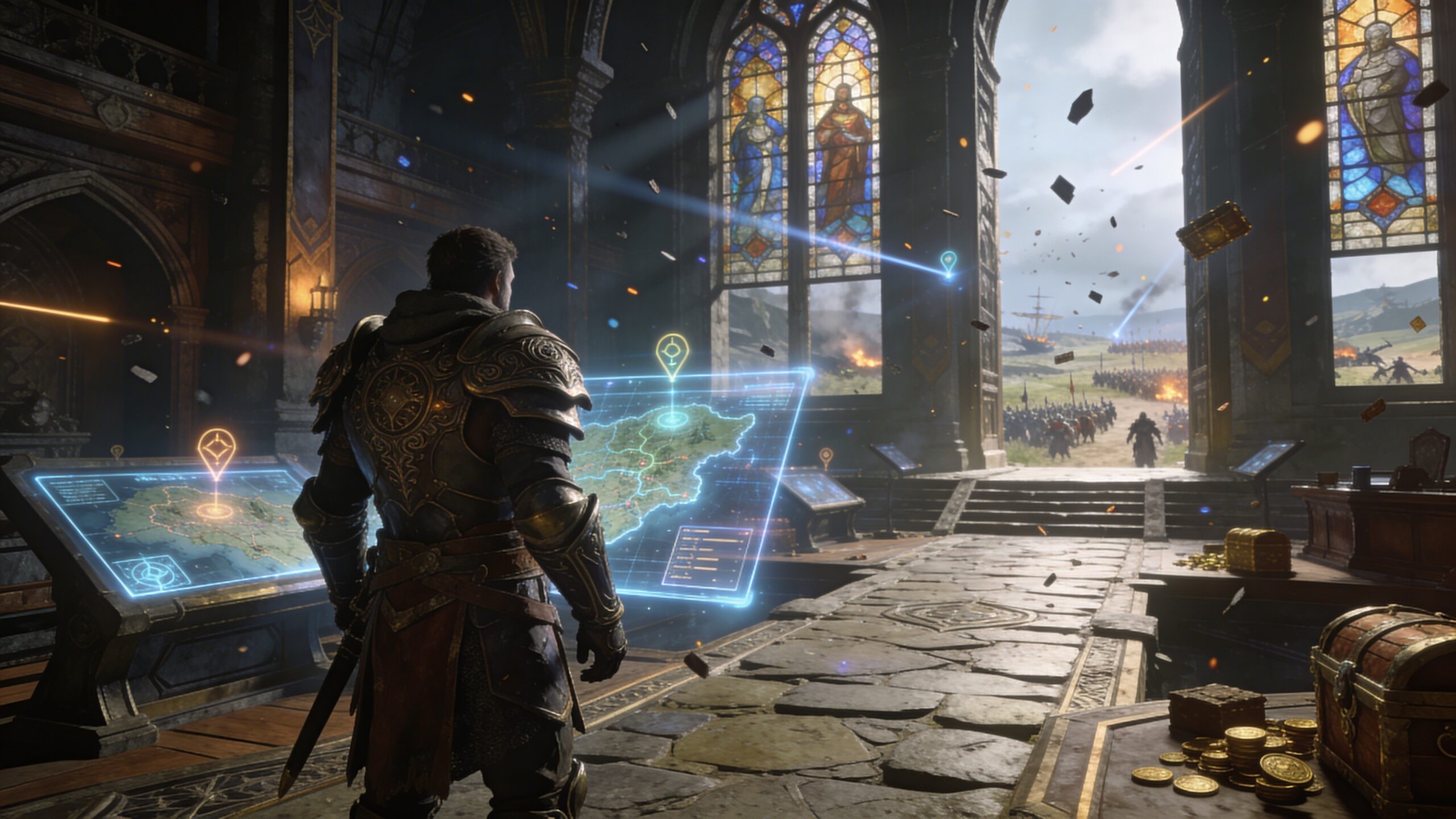
A surprising amount of wasted time in games comes from not checking the tools already built into them. Maps reveal objectives, regions, and shortcuts. Journals track active missions and important story details. Menus explain stats, abilities, crafting systems, and quest requirements. Beginners often ignore these tools and then feel lost.
Walkthrough strategies work best when combined with in-game information. Players who check their map and journal regularly make fewer wrong turns, forget fewer objectives, and waste less time. It sounds simple, but this habit alone can make any player noticeably faster and more efficient.
Use Walkthroughs to Learn, Not Just Copy
The most effective way for a beginner to use a walkthrough is not to copy every step without thinking. It is to use the guide as a way to understand why certain choices work. When players learn the reason behind a smart route, a useful upgrade, or a boss strategy, they improve in every future game as well. That is what makes walkthroughs such great teaching tools. They do not just help players finish one game faster. They build long-term instincts that make all games easier to read. Over time, players rely less on the walkthrough itself because they have learned how to think like one.
Mistakes Are Part of the Process
Even with good guidance, beginners will still make mistakes. They will miss shortcuts, choose weaker upgrades, waste items, or lose to bosses they should have beaten. That is normal. Walkthroughs are not magic solutions. They are frameworks that help players recover faster and improve more efficiently.
The important thing is not to get discouraged. Every mistake reveals something about the game. With the help of walkthrough strategies, even failed attempts become useful. Instead of repeating the same confusion over and over, players start making adjustments that lead to real progress.
Faster Does Not Mean Less Fun
Some players worry that using a walkthrough will make the experience feel less natural or less exciting. In reality, a good beginner walkthrough usually does the opposite. It removes unnecessary frustration, reduces wasted time, and helps players spend more of their energy on the best parts of the game. Beating a game faster does not mean rushing through everything carelessly. It means playing with more confidence, making stronger decisions, and understanding what the game is trying to offer. That kind of progress often makes the experience more enjoyable, not less.
Build Confidence One Game at a Time
Beginners often think skilled players are simply faster, smarter, and more naturally talented. The truth is that most experienced players learned through repetition, mistakes, observation, and good guidance. They became confident because they played enough games to recognize patterns and understand how game systems usually work.
Walkthroughs help beginners build that same confidence much sooner. By learning how to progress efficiently, choose smarter upgrades, manage resources, and read levels better, players become stronger with every game they finish. What begins as a beginner’s guide eventually becomes a foundation for gaming skill in every genre.
How to Beat Any Game Faster
The real secret to beating any game faster is not perfect reflexes or deep expert knowledge. It is structure. Understand the core systems, follow the strongest path, make upgrades with purpose, manage resources carefully, and learn from patterns instead of fighting blindly. Those habits create momentum, and momentum is what pushes players to the ending. That is why game walkthroughs are so powerful for beginners. They provide direction, reveal better habits, and turn confusion into clarity. When used the right way, they do more than help a player beat one game faster. They help transform a beginner into someone who knows how to approach any new game with skill, confidence, and excitement.